
Tape Adhesive Troubles?
Top Causes & Fixes
Are you struggling with your tape-in hair extensions not sticking? You’re not alone.
Discover the top causes and solutions for a flawless, long-lasting hold.
Summary:If you’re dealing with tape-in hair extensions1 adhesive falling out, many users experience adhesive failure, here’s how to fix it. Tape-in extensions may not stick due to product buildup on the hair, improper application techniques, or using the wrong hair products. To fix this, start by thoroughly washing and drying your hair with a clarifying shampoo before application, ensure the hair section is clean and dry, and then apply the tape firmly. When applying, make sure to create a proper sandwich with enough hair to seal the tape, leaving a small gap from the hairline, and avoid using oil-based products on the extensions.
Key Words:
Tape Adhesive, Tape-in Hair Extensions, Not Sticking / Adhesive Failure, Causes, Fixes / Solutions, Application Technique, Surface Preparation, Clarifying Shampoo, Sulfate-free / Silicone-free (Products), Proper Cleaning Routine, 48-Hour Rule, Firm Pressure, Regular Maintenance, Hypoallergenic Tape

Why Your Tape Adhesive Isn’t Sticking?
A strong bond relies on two things: the quality of the tape adhesive itself and the proper preparation of the surface it’s applied to. When one of these elements is off, the hold fails.

Poor Surface Preparation
Your scalp naturally produces oils, and combined with leftover haircare products, it creates a barrier that prevents the tape from forming a strong bond.
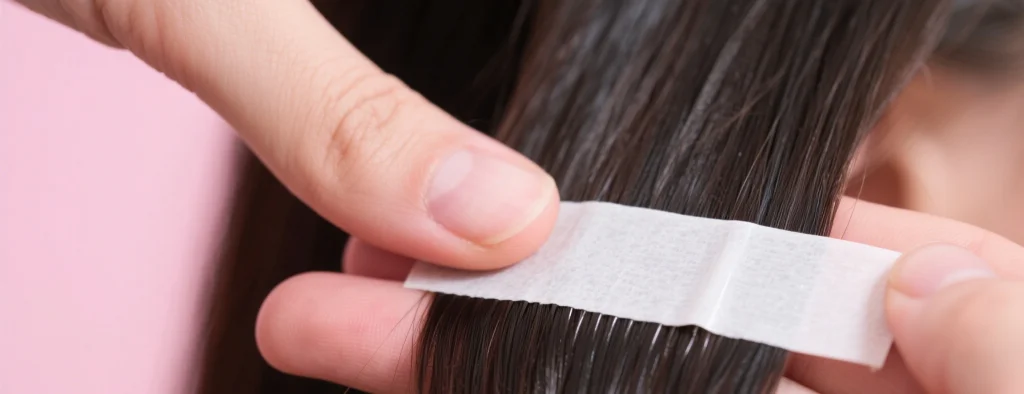
Incorrect Application Technique
Applying hair extensions isn’t like applying a sticker. It requires firm, deliberate pressure, applied with precision and purpose, to achieve a secure, seamless blend that lasts.

Humidity & Sweat
Moisture is the natural enemy of most tape adhesive formulas, especially water-based ones.
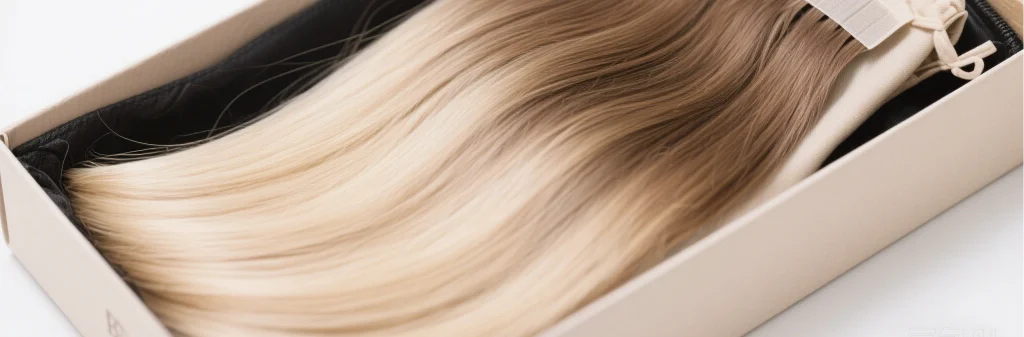
Improper Tape Storage
The quality of your tape adhesive can be compromised before you even open the package.
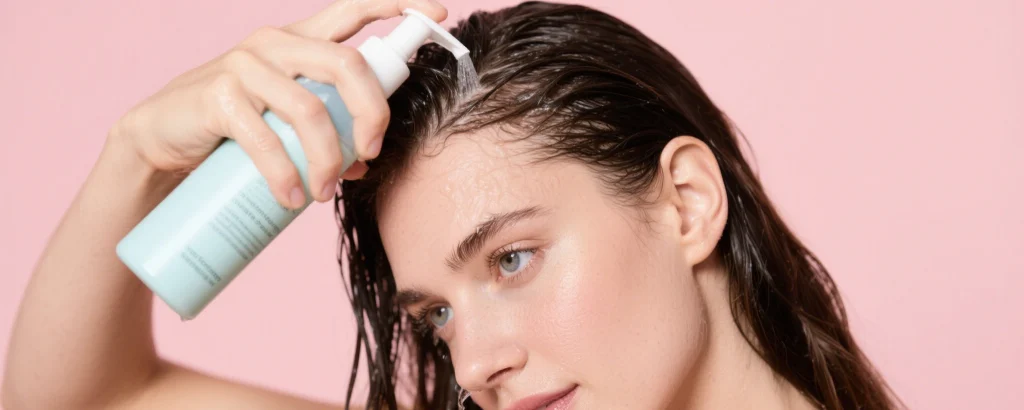
Oily or Fine Hair
Sometimes, your natural body chemistry can work against you.
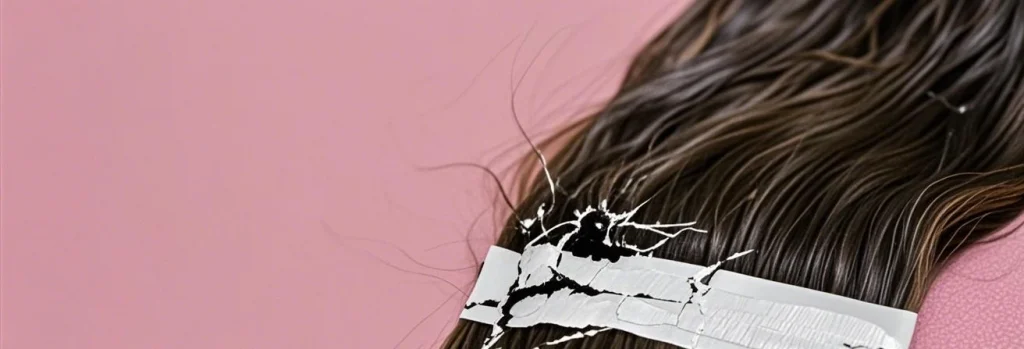
Defective or Old Tape
Tape doesn’t last forever. Using old or defective products can lead to bonding issues.
How to make a proactive prevention plan?
Beyond fixing immediate problems, a little preventative care ensures your hair extensions stay secure and natural-looking.
Consistently use a clarifying, silicone-free shampoo. Silicones create a coating that weakens adhesive bonds over time.
After a fresh installation or re-tape, keep your hair completely dry and avoid sweating for two full days. This allows the adhesive to “cure” properly.
Don’t wait for tapes to fail. Set a calendar reminder to replace them every two weeks. This routine maintenance is cheaper and less stressful.
If you experience any itching or redness, you might have a skin sensitivity. Switch to a hypoallergenic tape formula, specifically designed to be gentler on the skin.
What is the key to applying tape-in extensions?
Proper application is key to ensuring your tape-in hair extensions stay in place. Follow these steps for a secure, long-lasting bond:


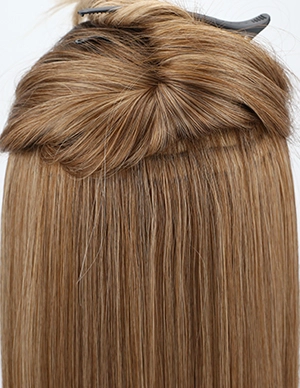
Start with clean, dry hair. Use a clarifying shampoo to remove any product buildup.
Create a horizontal section of hair where you want to apply the extensions.
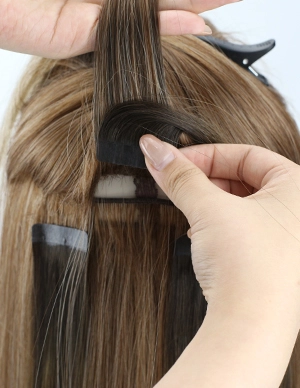
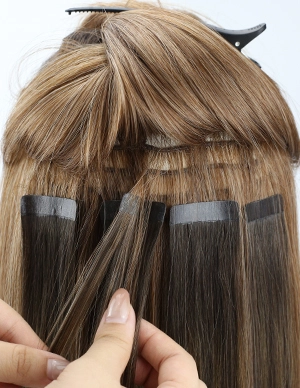
Peel off the backing and place the tape top close to the scalp, but not touching it.
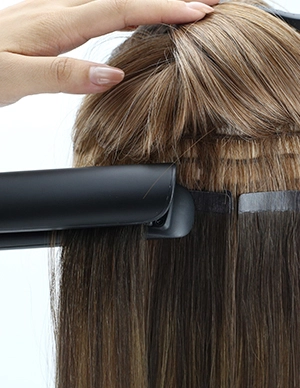
Press firmly for 10-15 seconds, applying pressure from the center outwards to remove air bubbles.
Once all extensions are applied, blend them with your natural hair and style as desired.
Frequently Asked Questions (FAQ)
Still Need Help? We’re Here for You!
If you’ve tried all these fixes and your hair extensions is still falling out, the adhesive or tape batch may be defective — contact support with order info. Our expert customer support team is ready to provide personalized advice. Contact us for one-on-one guidance.
- Tape-in hair extensions are pre-taped, ultra-flat wefts that are sandwiched between small sections of your natural hair for a seamless, long-lasting volume and length boost. ↩︎
- Clarifying shampoo is a deep-cleansing hair product that removes stubborn buildup like oil, dirt, and styling product residue. ↩︎
- Silicone-free means a product contains no silicone-based ingredients.If a shampoo contains silicones, it can weigh hair down, create buildup, and make hair look greasy over time. ↩︎
- Sulfate-free means products are without harsh cleansing agents like SLS or SLES. Using sulfates can strip natural oils, causing dryness, irritation, and frizzy hair. They are generally safe for most people but can be drying for some. ↩︎
About The Author

Hello, I received a pack of tape in extensions and when they arrived the adhesive was stuck together, it appears as if it was heated, possibly from hot temperature during shipping? I tried applying however they do not stick well and only a few were useable from the adhesive already being warmed.
We’re sorry to hear about the issue with your tape-in extensions! Temperature exposure during shipping can sometimes affect the adhesive. We’ve just sent you an email to gather more details and resolve this for you—please check your inbox (and spam folder, just in case).
We’ll make sure you’re taken care of!