
Invisible Tape in Hair Extensions: A Moresoo Guide
A discreet attachment designed to blend with surrounding hair
Summary:
Invisible Tape in Hair Extensions use a discreet1 attachment designed to blend with surrounding hair. Moresoo’s injection version places strands into the tape base for a more natural appearance near the roots. This guide explains product features, differences from regular tape extensions, application, removal, and everyday care. Appearance alone does not determine suitability: hair strength, placement, and maintenance matter. The American Academy of Dermatology advises, “if you feel pain or have a headache, the hairstyle is too tight.” Choose extensions with professional guidance rather than assuming every discreet attachment suits every scalp.
- Injection construction helps disguise the attachment; coverage still matters.
- Both invisible and regular tapes require adhesive, careful placement, and maintenance.
- Professional removal uses compatible remover, never force.
Want added length without an obvious tape edge? Moresoo Invisible Tape in Hair Extensions offer one option. Before choosing a set, consider how you wear your hair, how much weight it can support, and whether you can maintain salon appointments.
What Are Moresoo Invisible Tape in Hair Extensions?
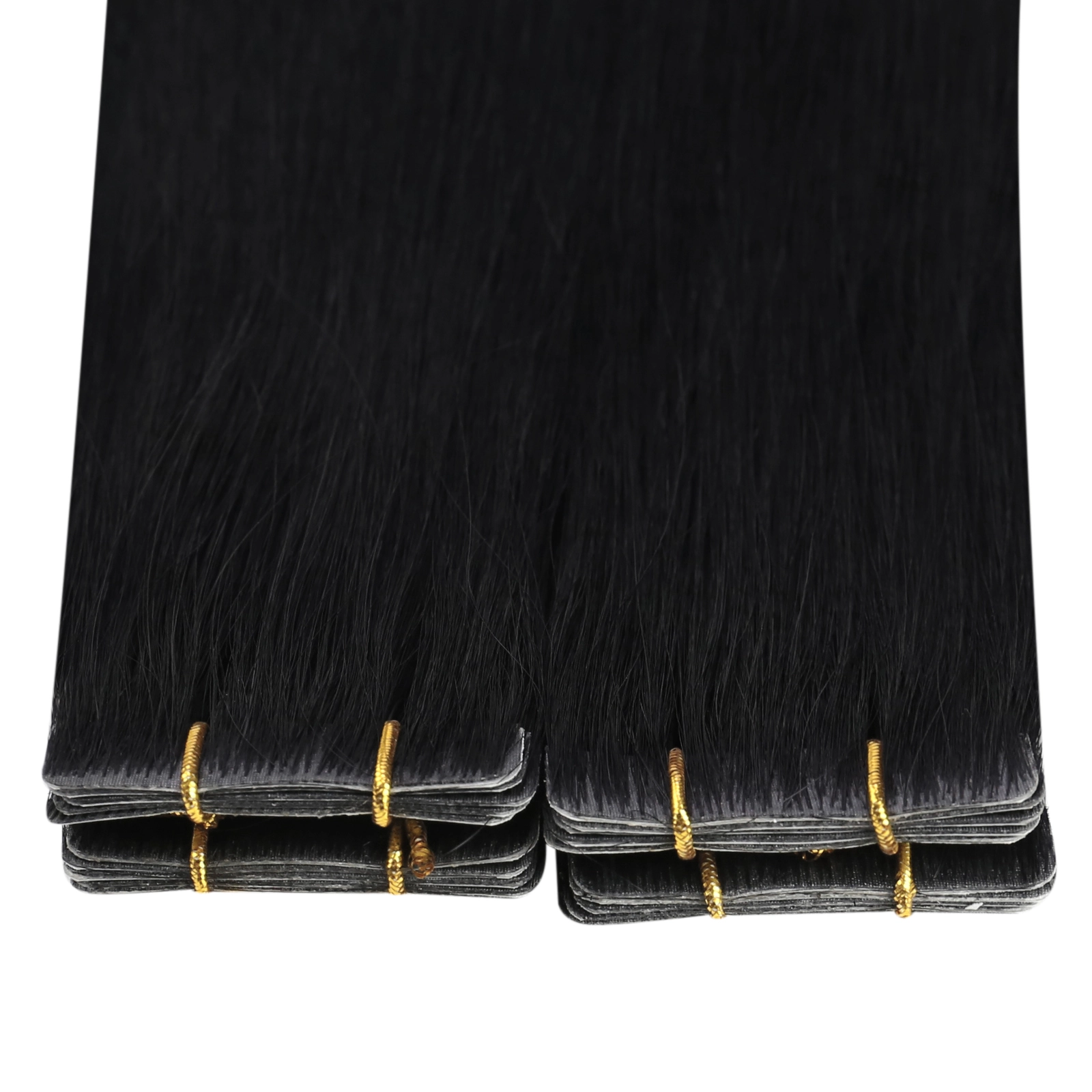
These are semi-permanent human hair extensions with a flat adhesive attachment. Moresoo describes its injection design as strands secured directly into the base, helping the connection resemble hair emerging from the root area.
For the referenced Jet Black listing, specifications include straight hair, lengths from 14 to 24 inches, and tapes measuring 0.8 × 4 centimeters. Individual pieces weigh 2 grams at 14–16 inches and 2.5 grams at 18–24 inches. Check your selected listing because specifications can vary.
Who might consider them?
Someone seeking ongoing length or fullness with discreet connections may find this construction useful. Fine hair needs a suitability assessment: a flatter base does not automatically make added weight appropriate for fragile or thinning strands.
Match the shade in daylight, including the ends rather than only the roots. Ask your stylist whether a layered cut is needed to connect your existing length with the extensions.
How Do Invisible Tapes Compare With Regular Tape Ins?
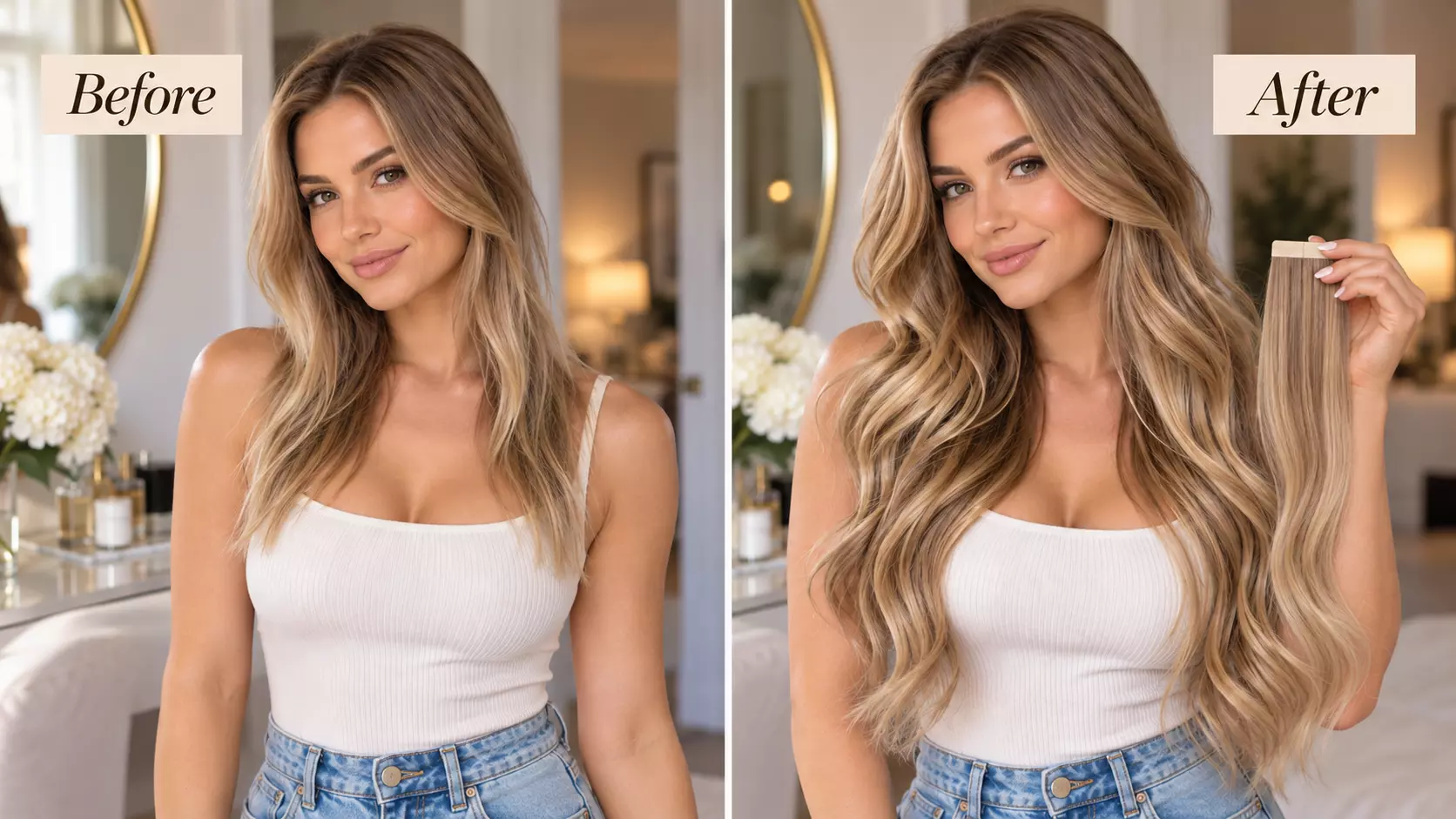
The main difference concerns the appearance of the attachment, rather than eliminating adhesive or salon upkeep.
| Feature | Invisible injection tapes | Regular tape ins |
|---|---|---|
| Attachment appearance | Hair integrated into the base disguises the connection | A conventional tape tab may be more apparent |
| Coverage | Still needs surrounding hair | Also needs surrounding hair |
| Installation | Adhesive attachment and planned sections | Similar attachment principle |
| Maintenance | Removal, fresh tape, and repositioning | The same basic maintenance tasks |
This comparison reflects Moresoo’s description of injection construction and its general tape-in installation guidance.
What are the advantages?
Invisible Tape in Hair Extensions can make exposed connections less noticeable when hair moves. Their flat construction may also help blending where a conventional tab looks distinct.
What are the limitations?
“Invisible” is a design description, not a guarantee. Sparse2 coverage, mismatched color, or lifted tapes can reveal attachments. Installation and refitting add ongoing costs. Oils near the adhesive may encourage slipping, while excessive weight or tension can stress natural hair.
Choose according to the finished result and upkeep requirements, rather than the product name alone.
How Should You Apply, Maintain, and Remove Them?
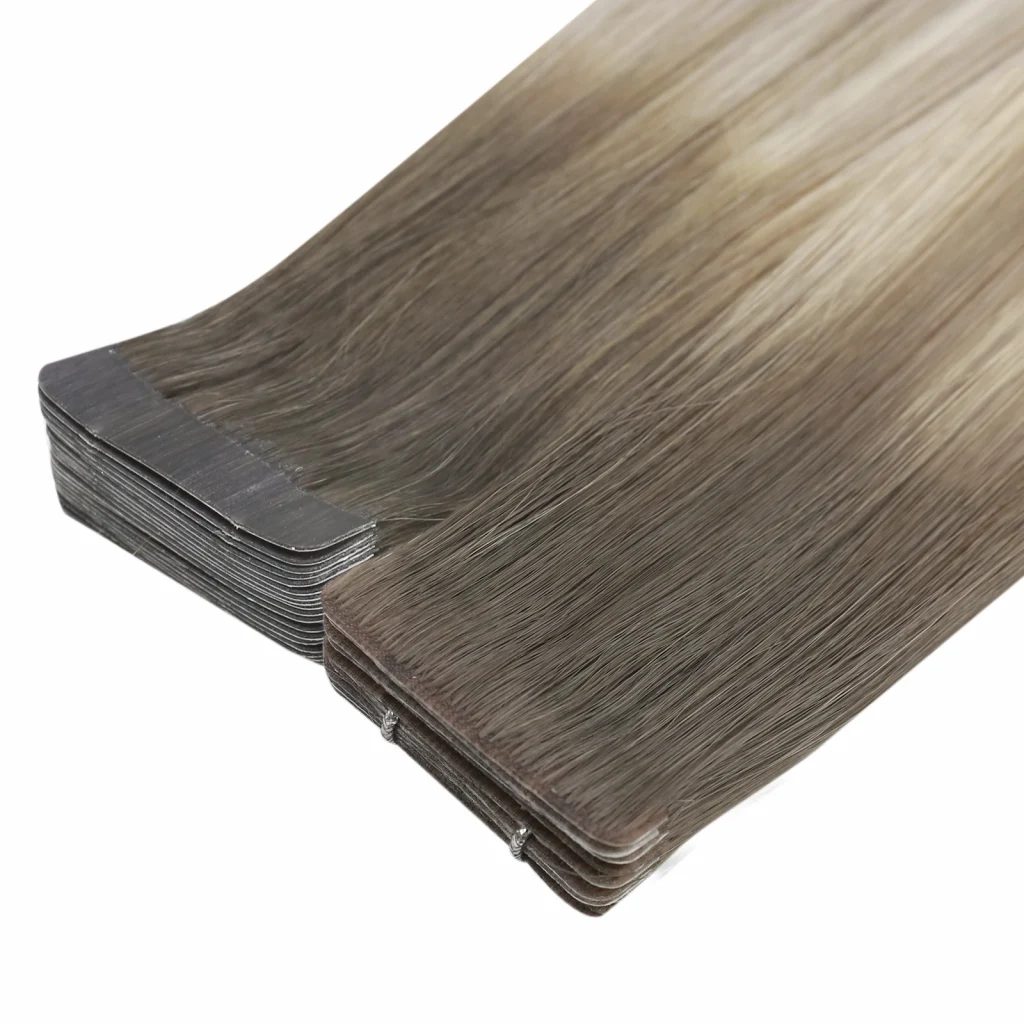
1.Clean and fully dry the hair, keeping conditioner and oil away from attachment areas.
2.Plan sections with enough surrounding hair to cover the tapes.
3.Place one adhesive piece beneath a suitable section, leaving comfortable clearance from the scalp.
4.Align the matching piece above it and press according to the adhesive instructions.
5.Check movement, coverage, and comfort before blending the lengths.
Section thickness matters: excessive hair between tapes can prevent adhesive contact. Too little supporting hair can concentrate weight.
Brush gently from the ends upward while supporting the attachment. Wash downward, condition the lengths, and keep rich products off the tapes. Dry attachment areas before sleeping; a loose braid helps reduce tangling.
Moresoo suggests refitting around six to eight weeks. Your stylist should adjust that interval for growth, slipping, and scalp condition.
Apply a compatible tape-extension remover as directed. Allow the adhesive to soften, then separate the pieces gently. If they resist, pause and repeat according to the remover instructions. Clear residue carefully. Before reuse, clean and dry the bases, replace old adhesive, and assess the hair’s condition.
FAQ: Invisible Tape in Hair Extensions
Final Thoughts
Moresoo Invisible Tape in Hair Extensions are worth considering when discreet connections matter. Select suitable weight, arrange careful placement, and commit to gentle care. A consultation should cover your preferred hairstyle, maintenance budget, scalp comfort, and realistic expectations before any adhesive4 extensions are installed.
About the author
