
Natural Hair Dye Guide
Can You Dye Moresoo Clip-In Hair Extensions?
Summary:
Coloring your extensions starts with understanding their existing shade, condition, and previous processing. This guide explains what to consider when choosing a natural hair dye, how to test and apply it, and how to care for your clip-ins afterward. Remember that “natural” does not automatically mean ammonia-free, suitable for extensions, or free from the risk of damage.
Key Takeaways:
Moresoo clip-ins are 100% human hair and can be dyed, but they are pre-treated to match standard shades, limiting lightening options.
The safest method is using a natural hair dye (ammonia-free) to go darker for a subtle change. Bleaching pre-colored hair is not recommended.
A strict aftercare regimen—including sulfate-free washes, deep conditioning, and limited heat—is crucial for maintaining color and extension lifespan.
Before full application, conduct a discreet strand test. Process, monitor, then rinse to verify shade, ensure even results, and maintain hair integrity.
Everything you need to know about dyeing Moresoo clip-in hair extensions for vibrant, long-lasting color
Can You Dye Clip-In Hair?
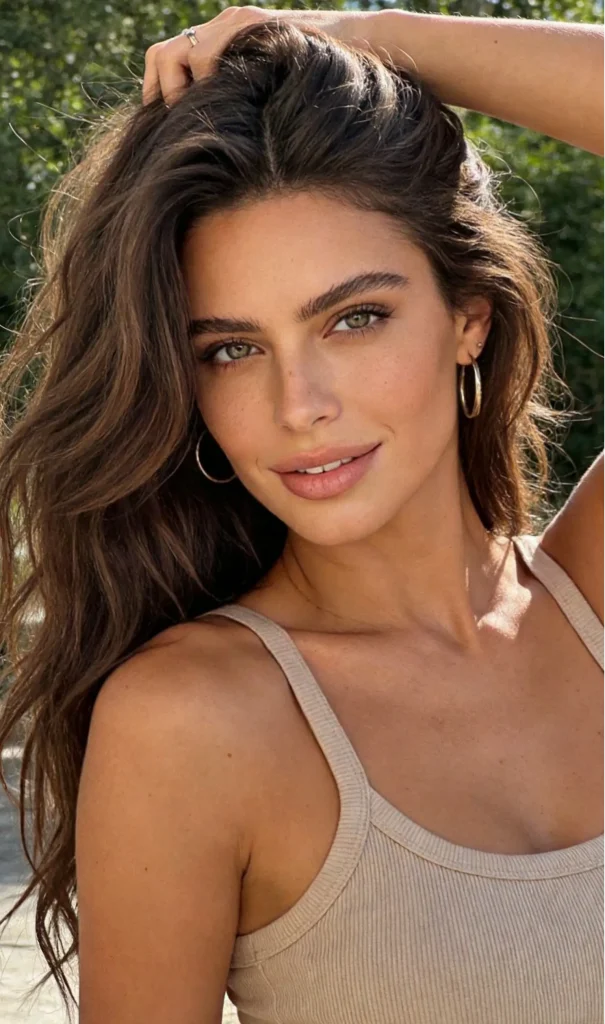
If you love switching up your look, you’ll be happy to know that Moresoo clip-in hair extensions are made from 100% real human hair, meaning you can safely dye them for a custom shade!
However, since our hair is pre-processed for optimal quality, there are a few key healthy hair dye guidelines to follow to keep your extensions soft, shiny, and damage-free.
Why Choose Moresoo for Healthy Hair Dye?
Unlike synthetic hair, real human hair extensions can be dyed—but with care! Our ethically sourced hair is pre-colored to ensure a natural, seamless blend with your own hair. While this means you can use healthy hair dye techniques to refresh or darken your shade, avoid harsh bleaching or lightening, as it can weaken the strands.
100% real human hair allows for safe dyeing and coloring
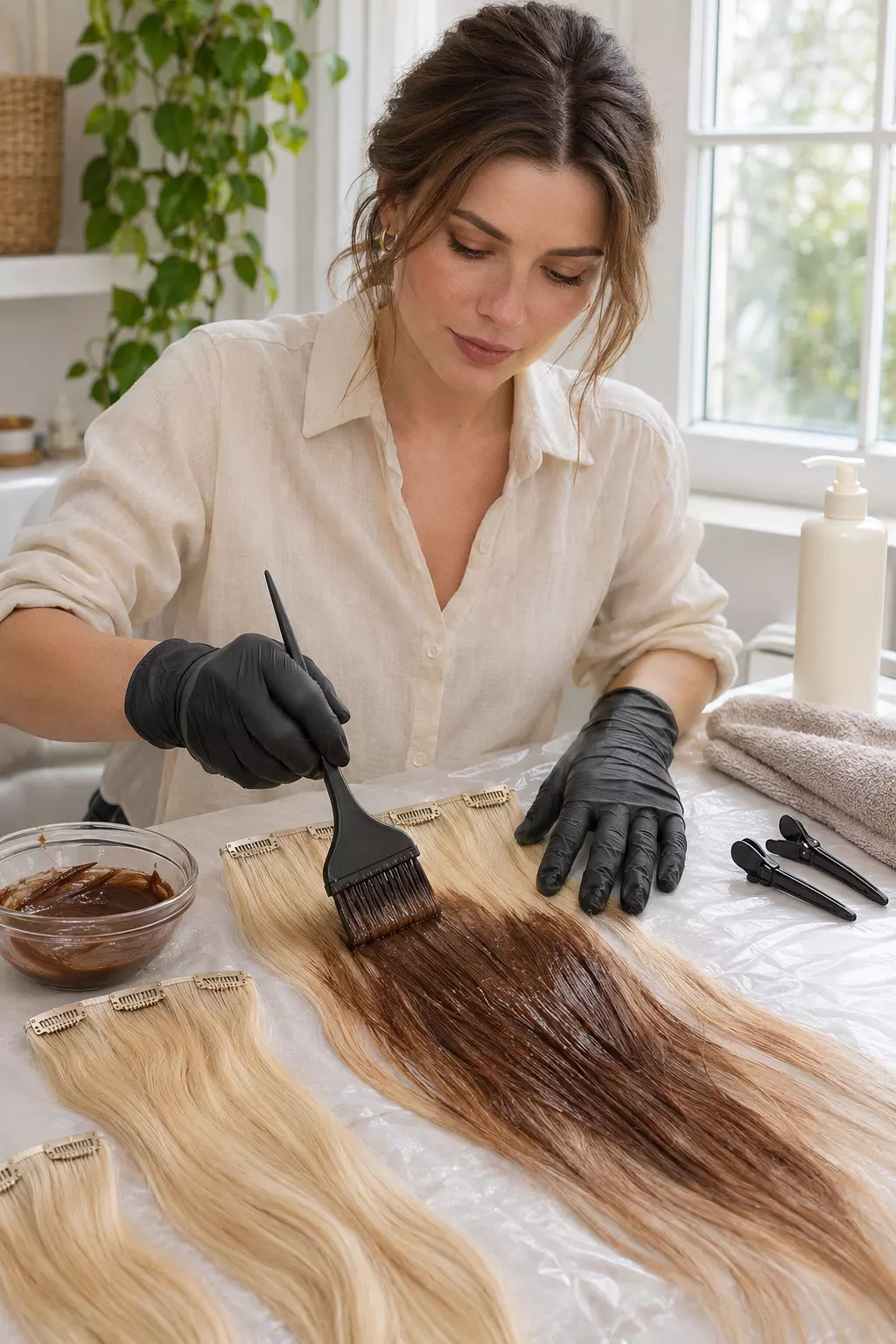
How to Dye Clip-In Extensions: Step-by-Step
Time Estimate: 60-90 minutes
Materials Needed: Bowl & brush, clips, natural hair dye (ammonia-free), conditioner, towel.
Safety Note: Work in a well-ventilated1 area and wear gloves.
The Do’s and Don’ts of Using Natural Hair Dye
The Do’s:
The Don’ts:
Pros and Cons of Dyeing Your Extensions
| Pros | Cons |
|---|---|
| Custom color match to your natural hair | Risk of damage if done incorrectly |
| Cost-effective way to refresh your look | Lightening is highly damaging |
| Allows for creative, temporary changes | Requires commitment to aftercare |
Dye Type Comparison for Extensions
| Type | Damage Risk | Longevity | Best For |
|---|---|---|---|
| Semi-permanent* | Low | 4-12 washes | Toning, subtle shades, no lift |
| Demi-permanent | Medium | Up to 24 washes | Depositing color, blending gray |
| Permanent | High | Until hair grows/cut | Significant, lasting color change |
Aftercare for Long-Lasting Color
Wait Between Sessions
Allow 6-8 weeks between coloring sessions to prevent damage
Use Sulfate-Free Products
Sulfate-free shampoos help preserve color and maintain hair health
Weekly Conditioning
Apply weekly deep conditioning treatments to maintain moisture
Limit Heat Styling
Avoid excessive heat styling to prevent color fading and damage
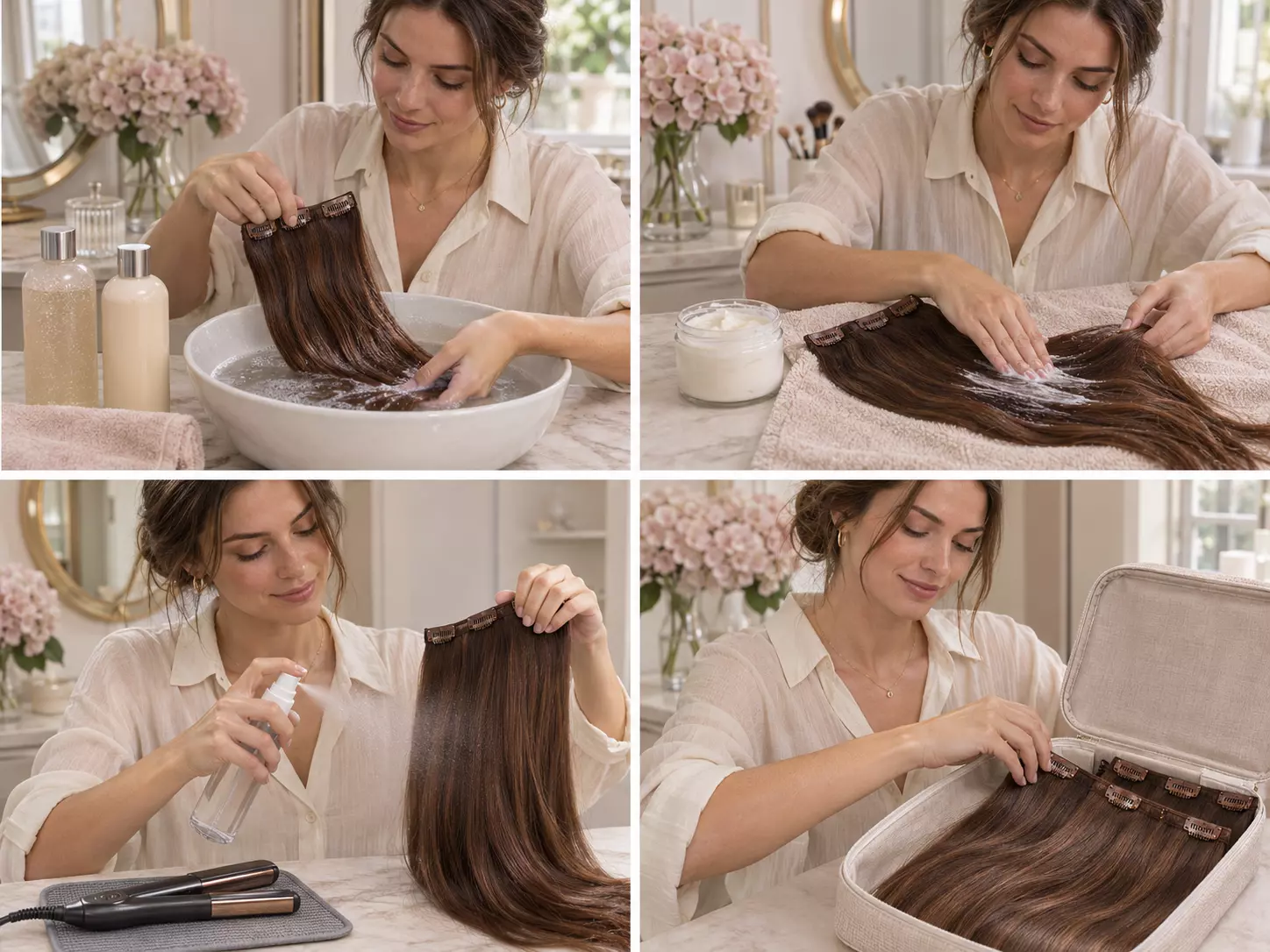
Quick Aftercare Checklist
Frequently Asked Questions (FAQ)
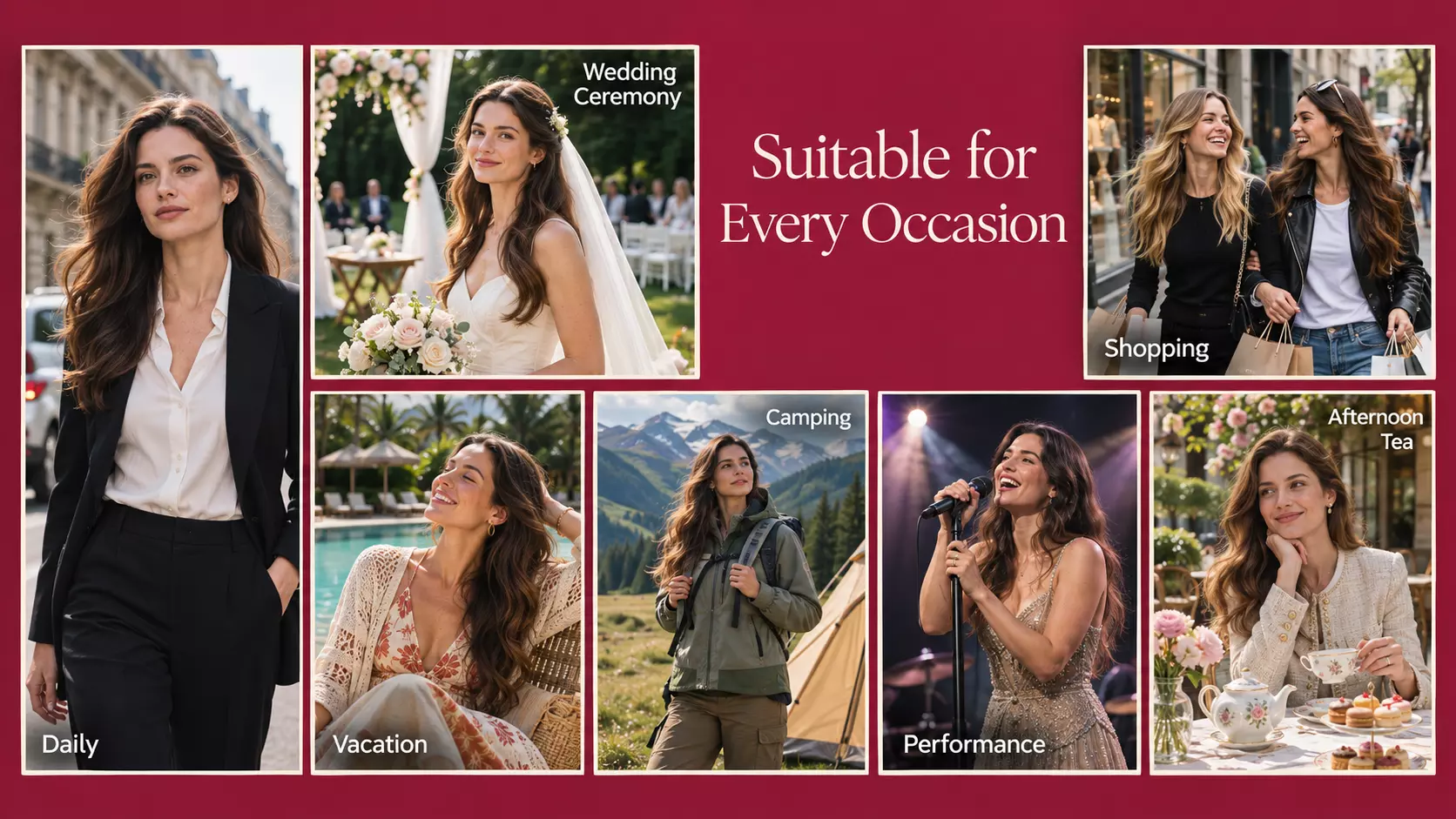
Why Choose Moresoo Clip-In Extensions?
Our 100% real human hair extensions offer exceptional quality and versatility:
Pro Tip: For subtle changes, ask a colorist about a compatible semi-permanent2 direct dye. Some glosses require developer, so check the formula rather than assuming every gloss is gentle.
Ready for a Fresh Look?
A new shade can refresh your clip-ins, but careful product selection and testing come first. Use this Natural Hair Dye guide to assess your options, follow your set’s care instructions, and maintain a gentle aftercare routine. If the hair’s condition or the color result is uncertain, consult an experienced colorist before proceeding.
About the author
