
Hair Extensions for Thin Hair: Best Types, Safety, and How to Choose
Hair extensions for thin hair: compare lightweight methods, safety risks, selection tips, care advice, and signs that call for a stylist.

Choosing extensions for fine or low-density hair is about balance. You want visible length or volume without adding more weight than the natural strands can comfortably support. Hair extensions for thin hair can work well when the method, weight, placement, and maintenance match your natural density.
Do not confuse naturally thin hair with extensions that simply look compact in the package. Bundled hair can appear flatter before it is separated and styled. Weight, construction, and the finished result are better ways to judge density.
Summary:
Hair extensions for thin hair should be lightweight, easy to conceal1, and selected according to natural density rather than maximum volume. Industry guidance for fine hair also emphasizes flexible systems and professional assessment to limit pulling on delicate strands. Safety matters just as much as appearance. The American Academy of Dermatology advises that “if you feel pain or have a headache, the hairstyle is too tight.” Choose moderate weight, avoid excessive tension, protect fragile areas, and reassess2 the method if shedding, soreness, or breakage increases.
- Match extension weight to your natural hair density.
- Favor flat, lightweight, or removable attachment methods.
- Do not ignore pain, scalp tenderness3, or new breakage.
- Judge density by weight and finished coverage, not packaging alone.
Which Hair Extensions Are Best for Thin Hair?
There is no single best method for everyone. The right option depends on hair strength, desired volume, styling routine, and wear frequency.
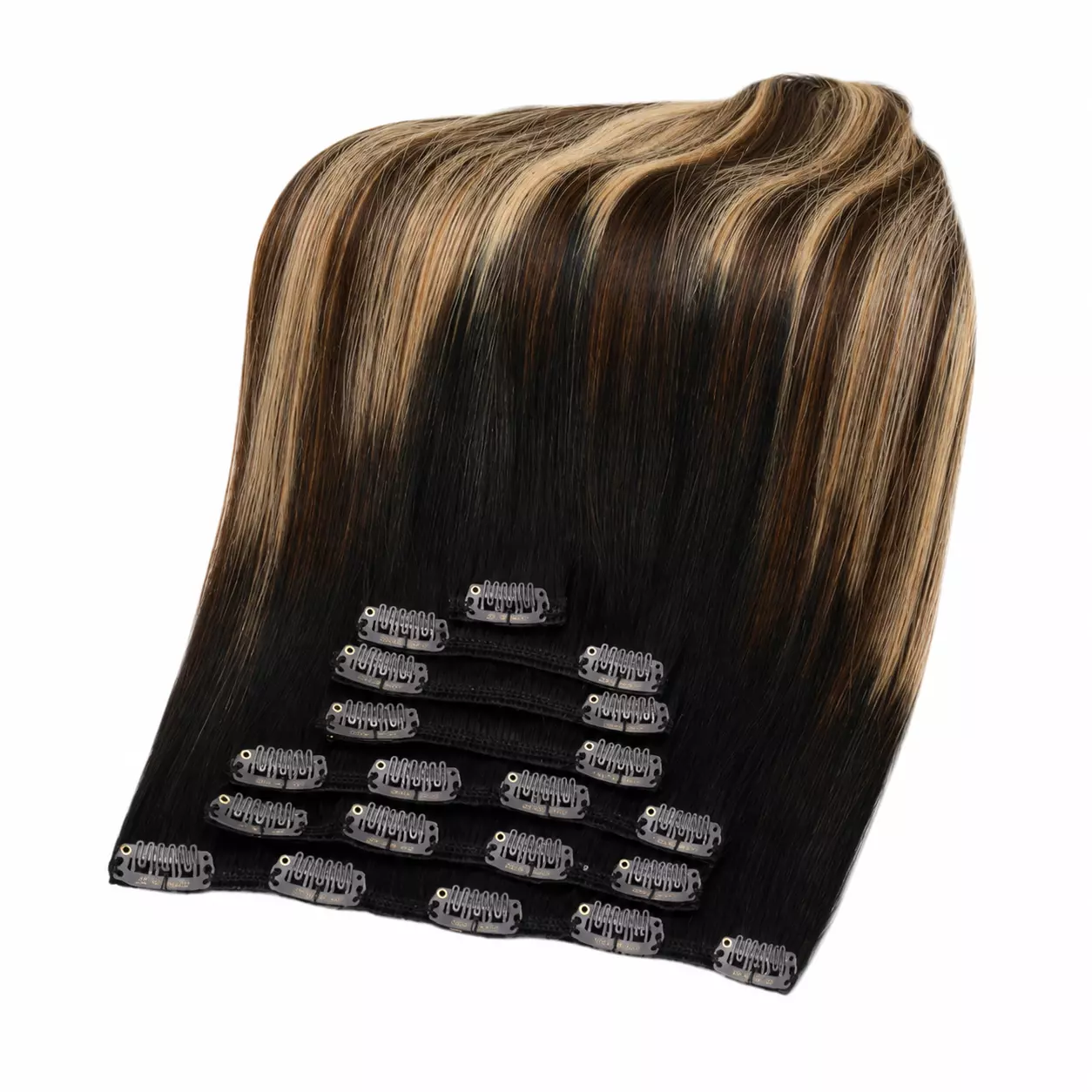
Are clip-in extensions suitable?
Yes, especially for occasional wear. Because clip-ins are removable, they do not stay attached for weeks. Fine hair may hide a few lightweight wefts more easily than a heavy full set. Avoid clipping repeatedly into the same fragile area, and remove clip-ins before sleeping or washing. The AAD specifically recommends removing clip-in extensions before washing natural hair.
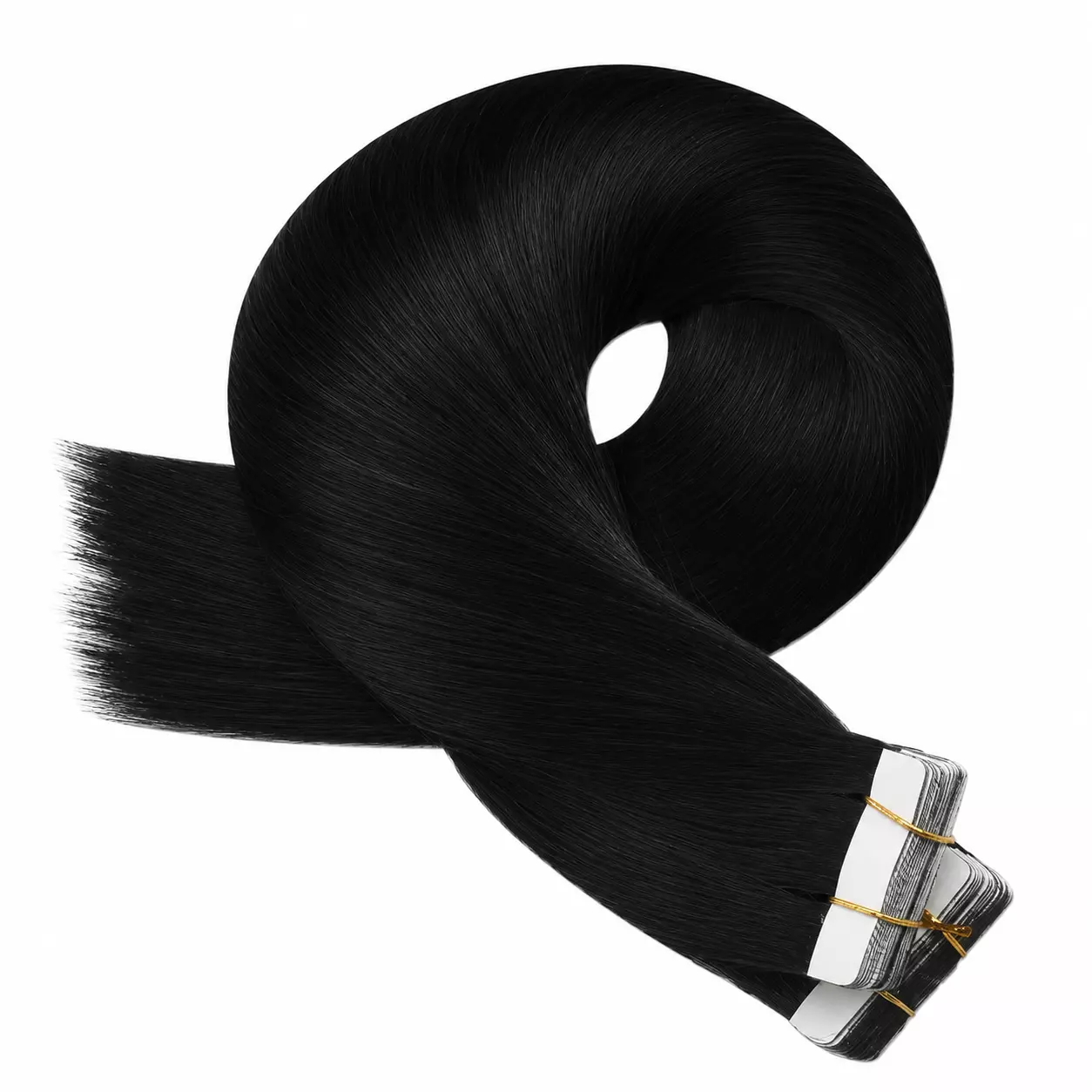
Are tape-in extensions a good choice?
Tape-ins can lie relatively flat against the head, helping conceal attachments under fine hair. Professional extension guidance includes tape-ins among common options for fine hair because lightweight, flexible systems can limit unnecessary pulling when correctly fitted. However, sections that are too small, heavy panels, or improper removal can still stress natural strands.
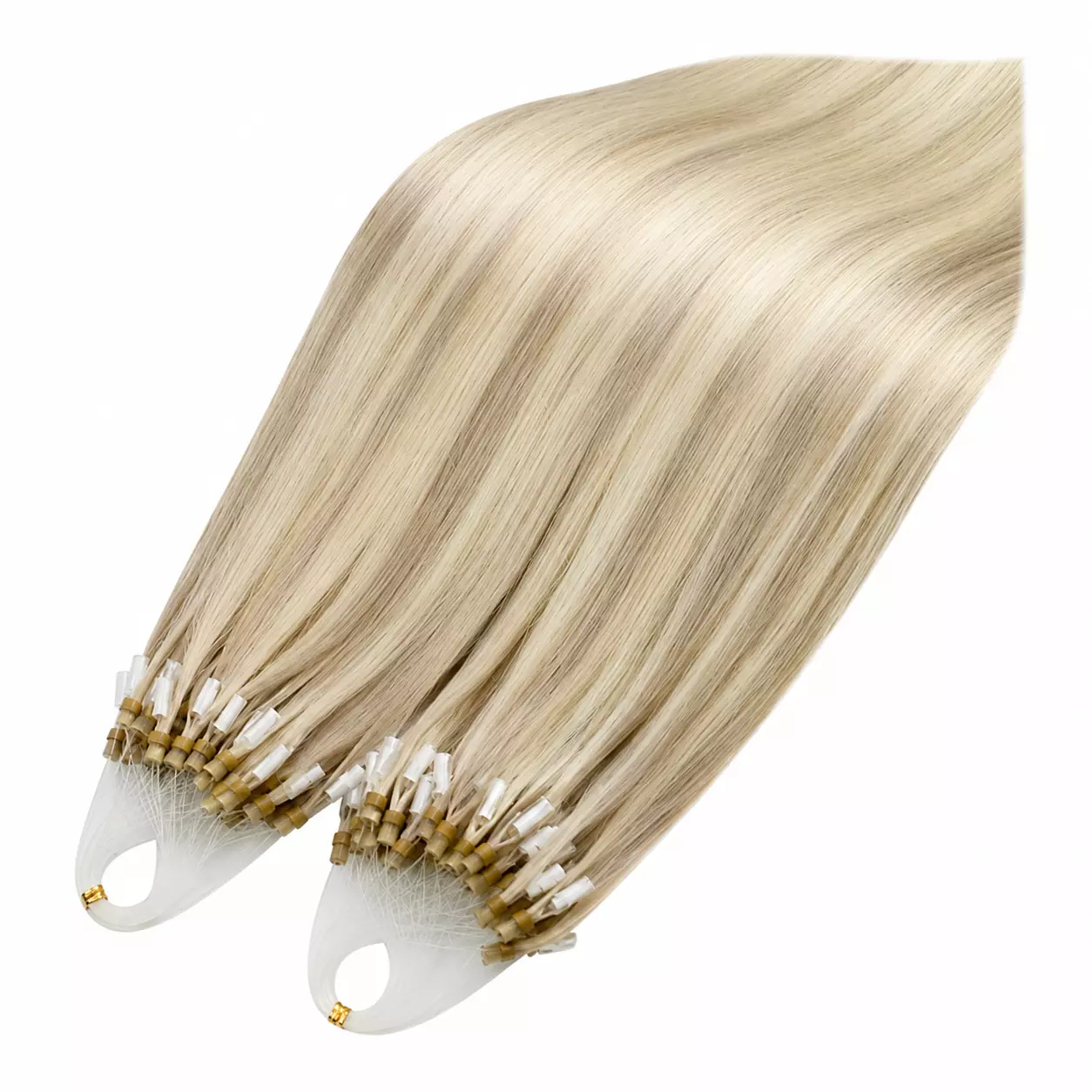
What about halo, bonded, micro-ring, or weft extensions?
Halo-style extensions place much of their weight on a wire rather than many fixed attachment points, which may suit people wanting removable volume. Bonded, micro-ring, and weft systems may also work, but they require careful assessment of strand strength, density, attachment size, and tension. Very fragile or actively shedding hair may not tolerate heavier long-term methods well.
How Do You Choose and Wear Extensions Safely?
How much hair should you add?
What warning signs should you watch for?
Frequently Asked Questions (FAQ)
Final Thoughts
The best hair extensions for thin hair are not necessarily the thickest or longest. Choose a method that matches your natural density, feels comfortable, and adds only the amount of hair you need. Pay attention to weight, attachment size, tension, color, and maintenance. If your scalp hurts or your hair becomes noticeably weaker, change the method rather than tolerating the problem. Careful selection can create a fuller appearance while keeping natural hair health central to the decision.
Note:
- To hide something or make it less noticeable. ↩︎
- To examine or evaluate something again, especially when circumstances change. ↩︎
- Pain or sensitivity when an area is touched or pressed. ↩︎
- Hair loss caused by repeated or prolonged pulling on the hair roots. ↩︎
- A tiny structure in the skin from which a hair grows. ↩︎
About the author
