
Real Human Hair Extensions: Benefits, Care, and Buying Guide
Are They Really 100% Human? Why They Curl After Washing
Summary:
Real human hair extensions are made from human hair rather than synthetic fibers, but quality, processing, and construction can vary. Allure states, “All extensions are either human or synthetic.” Human hair usually offers greater styling flexibility, while the attachment method controls wear time and maintenance. Safe fitting is essential; the American Academy of Dermatology advises, “If your hairstyle feels painful, the style is too tight.” Choose extensions by density1, texture, lifestyle, budget, and care commitment—not by length alone—and verify product claims before buying.Real human hair extensions are made from human hair rather than synthetic fibers, but quality, processing, and construction can vary. Allure states, “All extensions are either human or synthetic.” Human hair usually offers greater styling flexibility, while the attachment method controls wear time and maintenance. Safe fitting is essential; the American Academy of Dermatology advises, “If your hairstyle feels painful, the style is too tight.” Choose extensions by density, texture, lifestyle, budget, and care commitment—not by length alone—and verify product claims before buying.
- Human hair can usually be washed and heat-styled, but it can still be damaged.
- Clip-ins are removable; tape-ins, wefts, rings, and bonded methods require more maintenance.
- Remy, virgin, and unprocessed are different terms.
- Natural blending depends on color, texture, density, length, and total weight.
- Pain, redness, or persistent pulling are warning signs.

What Are Real Human Hair Extensions?
Real human hair extensions are hair pieces made from human hair. They can be attached using clips, tape, thread, rings, beads, or bonded tips.
Are all human hair products the same? No. “Human hair” only describes the fiber, not how it was collected, sorted, colored, or processed.
Remy hair usually means the cuticles2 are kept aligned in one direction, which may help reduce tangling and keep a smoother look. Virgin hair typically refers to hair that has not been chemically treated or dyed.
However, these terms are not always used consistently. Buyers should check the full product details, processing notes, care instructions, customer photos, and return policy instead of relying on labels alone.
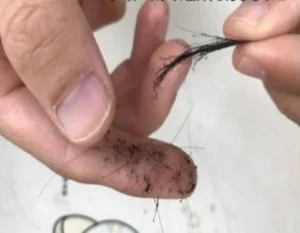
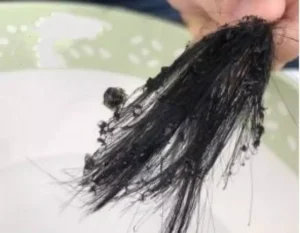
Can human hair become slightly wavy after washing? Yes. Some strands may show a natural wave or texture after being washed and dried. This does not necessarily mean the hair is low quality.
A light wave after washing may simply reflect the hair’s natural pattern. However, this alone is not proof of authenticity3. Construction quality, seller transparency, and long-term performance are also important.
Why Choose Real Human Hair Extensions Instead of Synthetic Extensions?
The main advantage of real human hair extensions is their styling flexibility. Allure notes that human hair can be colored and heat-styled, although the hair’s previous processing affects how safely it can be altered. Many human hair products can be washed, blow-dried, curled, and straightened at controlled temperatures, and they tend to move and reflect light more like natural hair, creating a more seamless and realistic look.
Real hair extensions can be used to achieve a wide range of aesthetic goals. These include longer-looking hair, fuller ends, added volume in specific areas, and subtle highlights without the need to chemically color natural hair. They also allow for greater freedom in styling, making it easier to switch between straight, wavy, or curled looks depending on preference or occasion while maintaining a natural, seamless, and effortlessly consistent appearance overall.
However, there are important limitations to consider. Human hair extensions generally cost more than synthetic alternatives and require consistent care. Since extension hair does not receive natural scalp oils along its full length, it can become dry over time. Factors such as bleaching, frequent heat styling, rough brushing, hard water exposure, friction, and product buildup may all shorten its lifespan. Even high-quality extensions are not completely immune to damage and require proper maintenance to stay in good condition.
There are also risks related to wear and installation. Extensions add weight and tension to natural hair, which can place stress on the scalp and roots. The American Academy of Dermatology notes that weaves and extensions may damage natural hair if they are not properly installed or maintained. In particular, tight or heavy applications can contribute to breakage or traction-related hair loss, making professional installation and careful upkeep essential for protecting natural hair health.
Why Choose Real Human Hair Extensions Instead of Synthetic Extensions?
Step 1: Detangling Before Washing
Begin by gently detangling4 the hair, holding the roots to reduce pulling, and using a wide-tooth comb or extension-safe brush to work from the ends up to the roots to prevent knots.
Step 2: Washing the real Human Hair Extensions
Wash the hair with lukewarm water, applying shampoo in a downward motion and avoiding rubbing, twisting, or piling the hair to prevent tangling.
Step 3: Conditioning Properly
Apply conditioner mainly to the mid-lengths and ends, avoiding the attachment points unless your stylist specifically advises otherwise, especially when caring for newly installed extensions or following a personalized maintenance routine at home to keep the bonds clean and reduce unnecessary product buildup.
Step 4: Drying After Washing
After washing, gently squeeze out excess water without twisting. Air-dry clip-in extensions flat on a towel, and ensure that installed extensions are dry at the roots before going to sleep for best long-term health results.
Step 5: Heat Styling Protection
Use a heat protectant before styling, and always use the lowest effective temperature, as human hair extensions are still prone to heat damage.
Step 6: Nighttime Care and Maintenance
At night, remove clip-in extensions before sleeping, and for semi-permanent extensions such as bonded, taped, or beaded types, secure the hair in a loose braid or low ponytail and use a silk or satin pillowcase to reduce friction, leaving maintenance to a professional when needed.

How Do You Choose the Right Real Human Hair Extensions ?
First, define your goal. Are you looking for volume, length, fuller ends, highlights, or full coverage? Your goal decides the attachment method, number of pieces, and weight needed.
Next, assess your natural hair density. Fine or low-density hair works best with lightweight, evenly distributed extensions. Thicker hair may need more grams or wider coverage for a seamless blend.
Length also matters. The longest option is not always the most natural. Very long extensions without enough volume can look thin at the ends.
For highlighted or balayage hair, check:
- Base color
- Warm or cool undertone5s
- Highlight placement
- Color contrast
- End shade
Texture is equally important. Straight, wavy, curly, or layered hair each needs different blending. Some extensions may also require trimming or shaping after installation.
Before buying real human hair extensions, confirm:
- Hair type and processing
- Length and weight
- Attachment method
- Heat and coloring limits
- Included tools
- Return and color-matching policies
Avoid using a burn test. It can damage the product and is unsafe. Instead, rely on labeling, product details, verified reviews, and post-wash performance.
Frequently Asked Questions
Final Thoughts
Real human hair extensions can add length, volume, or color, but the best results come from choosing the right method, not just the longest or heaviest set.
Compare quality, weight, color, texture, installation, and maintenance before deciding.Terms like Remy, virgin, unprocessed, and ethically sourced are different claims and should not be treated as the same.With proper matching, care, and maintenance, human hair extensions can look natural while helping protect both the extensions and natural hair.
Note:
- The amount or thickness of hair in a particular area. Hair density affects the weight and number of extensions a person may need. ↩︎
- The thin outer layer of a hair strand. Aligned cuticles can help hair feel smoother and reduce tangling. ↩︎
- The quality of being genuine or real. In the article, authenticity refers to whether extensions are truly made from human hair. ↩︎
- The process of carefully removing knots from hair with a brush or wide-tooth comb. ↩︎
- The subtle warm, cool, or neutral color beneath the main hair color. Matching undertones helps extensions blend naturally. ↩︎
Related Resouces:
About the author
