
Hair Extensions Fading: Causes, Prevention, and How to Restore Color
Hair Extensions Fading: Causes & Care
Summary:
Hair extensions fading usually develops gradually through repeated exposure to washing, heat, sunlight, chlorine, and environmental factors. The American Academy of Dermatology states that the sun can make hair “weak, dry, rough, faded and brittle,” particularly when hair has been dyed or bleached. Beauty Works also identifies UV rays, chlorine, iron-rich water, and heated tools as factors that may alter extension tones. Gentle washing, moderate heat, UV protection, and careful swimming habits can help preserve color, while toning or professional color correction may help with some unwanted changes.
- Hair extensions can fade from UV rays, heat, chlorine, washing, and mineral exposure.
- Blonde and light-colored extensions may show tonal changes more noticeably.
- Gentle washing and lower heat exposure can help slow color loss.
- Chlorinated water can contribute to dryness and discoloration1.
- Toning products can correct some unwanted tones but cannot reverse every type of fading.
- Always check manufacturer instructions before recoloring or toning extensions.
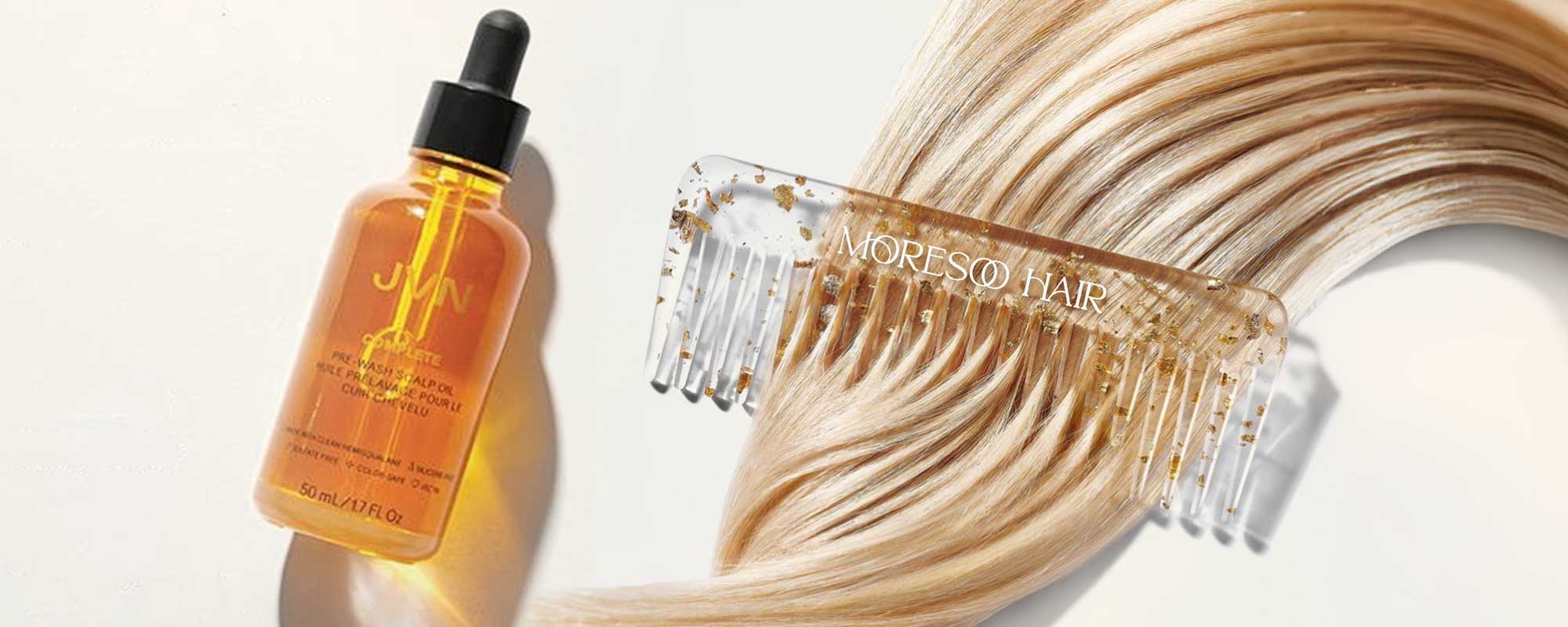
Hair extensions can gradually lose their original color, even when they are made from human hair and cared for regularly. Blonde extensions may develop warmer or brassy tones, while brunette, balayage, and other colored extensions can become lighter or less vibrant.
So, why does hair extensions fading happen? The most common causes include frequent washing, strong cleansing products, heat styling, UV exposure, chlorine, mineral buildup, and previous color processing. Hair extensions also require different care from natural growing hair because they do not continuously receive oils from the scalp.Understanding the cause of a color change is important before trying to correct it. Some faded extensions can be refreshed with appropriate care or toning, while heavily processed or damaged hair may not respond well to further chemical treatment.
What Causes Hair Extensions Fading?
Does frequent washing cause hair extensions fading?
Frequent washing can contribute to gradual color loss. Every wash exposes the hair to water, shampoo, friction, and rinsing. Strong cleansing products may also leave extension hair feeling drier.
Unlike growing hair, extensions do not continuously receive natural oils from the scalp. Washing only when needed and using gentle products designed for colored hair can therefore help preserve both moisture and tone.
Can heat styling fade hair extensions?
Repeated heat styling can affect both the condition and appearance of extensions. Flat irons, curling tools, and blow-dryers expose the hair to temperatures that may increase dryness and make color changes more noticeable.
The American Academy of Dermatology recommends using the lowest effective heat setting and allowing hair to air-dry when possible to limit heat-related damage.
A heat protectant can provide additional protection, but it does not make extensions immune to excessive heat.
Do sunlight and UV rays change extension color?
Yes. UV exposure is an important environmental factor in hair extensions fading. The American Academy of Dermatology explains that UV damage can break down proteins in hair and change its color. Lighter, blonde, and gray hair may be more susceptible because they contain less naturally protective melanin.
Beauty Works also notes that prolonged UV exposure can fade extension color and leave hair looking dull. Wearing a hat during prolonged sun exposure is a simple way to reduce direct UV contact.
Can chlorine make extensions look discolored?
Chlorinated pool water can contribute to dryness, tangling, and unwanted color changes. According to the American Academy of Dermatology, chlorine can dissolve protective hair lipids and increase susceptibility to damage.
Blonde and lighter extensions may show discoloration more clearly. If extensions come into contact with pool water, rinse them promptly and condition them appropriately afterward.
Can hard water affect extension color?
Minerals in water may build up on the hair and influence how its color appears. Beauty Works identifies iron-rich water among the factors that can alter extension tones over time.
If extensions suddenly look dull, brassy, or different in tone, the problem may therefore involve buildup rather than simple pigment loss.
How Can You Restore Faded Hair Extensions?
The correct solution depends on what caused the color change. Before treating hair extensions fading, determine whether you are dealing with actual pigment loss, brassiness2, mineral buildup, dryness, or another form of discoloration.
Can purple or blue shampoo restore the color?
Toning products can help neutralize3 certain unwanted tones. Purple products are commonly used to reduce yellow tones in suitable blonde hair, while blue-based products may help counter some orange tones.
However, toning does not replace color that has actually faded. Extensions can also be porous4 and may absorb pigments unevenly. Follow the product and extension manufacturer’s instructions carefully and test a small hidden section before treating the full set.
Can faded human hair extensions be dyed again?
Some human hair extensions may accept additional color, but previous processing can make the result less predictable than coloring untreated natural hair.
Adding a darker tone may be possible in some cases, while further lightening can place additional stress on already processed hair. If a major color change is needed, consulting an experienced colorist is preferable to repeatedly experimenting at home.
Manufacturer guidance should also take priority. For example, Beauty Works advises against coloring or toning its extensions because additional processing may affect their condition and lifespan.
What if the extensions look dull but have not actually changed color?
Dullness does not always mean fading. Product residue, mineral buildup, dryness, and surface damage can reduce shine and make the original color appear less vibrant.
Conditioning may improve softness and appearance when dryness is the main problem. However, moisture treatments cannot restore pigment that has genuinely been lost.
How Can You Prevent Hair Extensions Fading?
Preventing hair extensions fading is usually easier than trying to correct a significant color change later.
Wash extensions only when necessary and choose gentle products suitable for colored hair. Avoid very hot water and excessive scrubbing. After washing, handle wet extensions carefully and reduce unnecessary friction.
Heat styling should also be controlled. Use the lowest effective temperature, apply appropriate heat protection, and allow the hair to partially air-dry whenever practical.
Sun protection matters as well. A wide-brimmed hat can reduce direct UV exposure during extended periods outdoors. The American Academy of Dermatology specifically recommends protecting colored hair from sunlight because sun exposure can contribute to fading and dryness.
Swimming requires extra care. Keeping extensions out of chlorinated water is the simplest approach. If contact occurs, rinse the hair soon afterward rather than allowing pool water to remain on the extensions.
For removable extensions, store them completely dry and away from prolonged direct sunlight. Gentle detangling and careful storage can also help maintain their overall appearance.
No routine can guarantee that processed hair will keep exactly the same tone indefinitely. However, consistent care can reduce avoidable hair extensions fading and help the color remain visually balanced for longer.
Frequently Asked Questions (FAQ)
Final Thoughts
Hair extensions fading can result from several factors rather than one single cause. Washing, heat styling, UV rays, chlorine, minerals, and previous color processing can all influence how extension color changes over time.
The best approach is to identify the likely cause before choosing a correction method. Brassiness may respond to careful toning, while dryness may require conditioning rather than additional pigment. More significant color correction may be better handled by an experienced stylist.
Gentle washing, controlled heat, sun protection, careful swimming habits, and appropriate storage can all help slow hair extensions fading. Consistent care will not prevent every tonal change, but it can help maintain the color and overall condition of extensions for longer.
Note:
- A change from the original or expected color, often resulting in an unwanted tone. ↩︎
- An unwanted warm yellow, orange, or reddish tone that can appear in colored or lightened hair. ↩︎
- To reduce, balance, or cancel the effect of something. ↩︎
- Able to absorb liquids or substances easily through small spaces or openings. ↩︎
- The condition of being dry, fragile, and likely to break easily. ↩︎
Related Resouces:
About the author
