
Hair Extensions:
7 Essential Tips for a Flawless, Natural-Looking Style
Summary:
A flawless result begins with accurate matching and continues with careful blending, gentle care, and timely maintenance. Choose hair extensions that suit your color, texture, density1, and routine. Keep attachment areas clean, reduce friction2, and avoid unnecessary tension. The American Academy of Dermatology gives a clear safety rule: “If your hairstyle feels painful, the style is too tight.” When comfort and upkeep remain priorities, extensions are more likely to look polished, move naturally, and stay manageable between appointments.
Key Takeaways:
- Match color, texture, length, and density before installation.
- Blend the natural hair and added hair as one complete style.
- Brush, wash, dry, and sleep with minimal pulling or friction.
- Follow maintenance advice for the specific extension method.
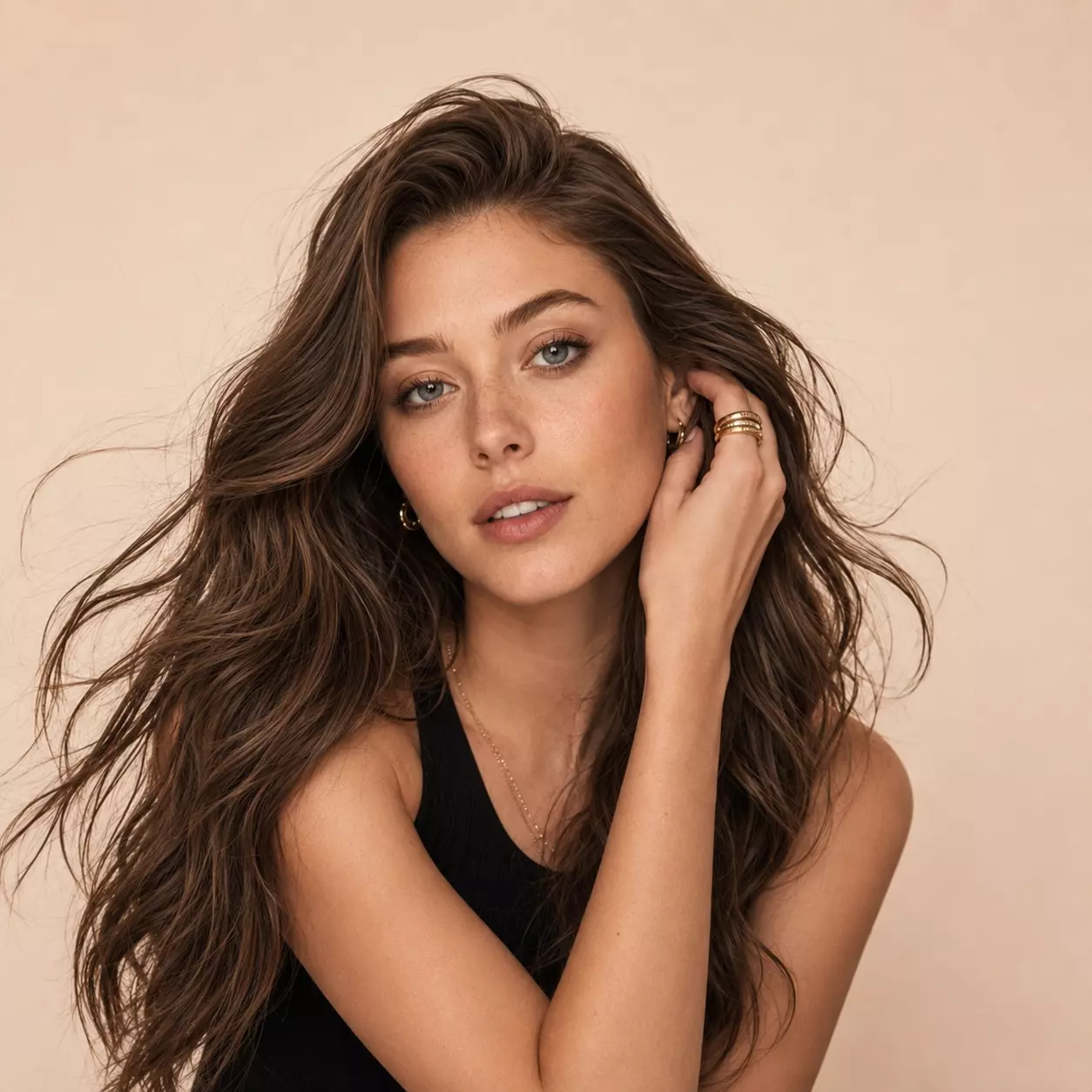
Hair extensions can add length, fullness, or color without a permanent change. A natural result depends on shade, texture, density, placement, cutting, styling, and aftercare. These seven tips explain how to create a balanced finish while keeping both the extensions and natural hair manageable.
How Can Hair Extensions Look More Natural?

Choose the Right Color
Why does color matching matter? Even high-quality human hair extensions can appear obvious when the shade does not connect with the natural hair.
Match the mid-lengths and ends, not only the roots. Many people have lighter or more dimensional color through the lower sections of their hair. For highlighted or balayage hair, a mixed shade may look more realistic than one solid color.
Check the match in natural daylight whenever possible. Indoor lighting can make blonde shades appear warmer, brunette shades look darker, and cool colors seem flatter than they actually are.
Match the Texture and Density
Should straight extensions be used with naturally wavy hair? They can be, but both textures will need to be styled together. A closer texture match usually creates more consistent movement and requires less daily styling.
Density matters too. Heavy extensions may overwhelm fine hair, while a set that is too light can leave the ends looking thin. Choose enough hair to support the desired length without creating an obvious weight difference.
The attachment method should also suit the wearer’s natural hair and routine. Clip-in, tape-in, sew-in, weft, micro-link, and pre-bonded extensions each have different installation and maintenance requirements. A qualified stylist can help identify an appropriate option.
Blend the Cut
Why do some extensions look separate even when the color matches? The haircut is often the reason.
A blunt natural cut can form a visible line above the longer added hair. Soft layers or face-framing pieces can create a smoother transition between the two lengths.
After installation, style the natural hair and extensions together. Loose waves often blend different lengths easily, while a straight finish usually requires more precise shaping. Avoid cutting close to tapes, beads, bonds, or weft tracks without professional guidance.
Brush Gently
How should hair extensions be brushed? Support the hair near the attachment area, start at the ends, and work upward in small sections. This reduces pulling and prevents knots from being pushed toward the roots.
Use a wide-tooth comb, loop brush, or extension-safe brush that suits the installation method. Great Lengths recommends removing tangles from the lower lengths first and avoiding backcombing around tape or pre-bonded attachment areas.
Brush before washing, before going to bed, and whenever tangles begin to form. Do not force the brush through a knot. Separate the section with your fingers and detangle3 it slowly.
Wash and Condition Carefully
How often should extensions be washed? There is no single schedule that works for everyone. Scalp condition, activity level, styling products, and attachment method all affect washing frequency.
Use lukewarm water and keep the hair moving in a downward direction. Massage the scalp gently with the fingertips instead of scrubbing the hair in circles.
Apply conditioner mainly from the mid-lengths to the ends. Keep rich or oily products away from tapes, bonds, beads, and weft tracks unless the care instructions state otherwise. Rinse thoroughly so residue4 does not collect near the roots or attachment areas.
Dry and Heat-Style with Control
Can human hair extensions be curled or straightened? Many can, but the manufacturer’s care instructions should always be checked first.
Blot the hair with a microfiber towel instead of rubbing it. Dry the attachment areas fully when required and direct dryer airflow downward to reduce tangling.
Apply heat protectant before using hot tools. Select the lowest temperature that produces the desired result and avoid passing the tool over the same section repeatedly.
Wet hair should also be handled carefully. The American Academy of Dermatology notes that wet strands are more vulnerable to breakage and recommends limiting unnecessary brushing or handling while the hair is wet.
Protect the Hair at Night
What should you do before sleeping? Make sure the hair is dry, detangle it gently, and place it in a loose braid or low ponytail. A silk or satin pillowcase can reduce friction and help limit tangling. Great Lengths also recommends a loose braid or ponytail for overnight extension care.
Avoid tight hairstyles that repeatedly pull on the same areas. Dermatologists warn that repeated tension from tight hairstyles, weaves, or extensions can contribute to traction alopecia5, a type of hair loss associated with ongoing pulling.
Pain, tenderness, bumps, redness, or headaches should not be treated as normal. Maintenance timing varies by method, so follow the stylist’s or manufacturer’s schedule for adjustment, repositioning, or professional removal.

Frequently Asked Questions (FAQ)

FINAL THOUGHT
Natural-looking hair extensions come from several connected decisions, not one styling trick. Start with an accurate color and texture match, choose a suitable weight and attachment method, blend the haircut, and maintain a consistent care routine.
Comfort should remain a priority throughout wear. When the added hair moves with the natural hair, the attachment points are not under strain, and the finished style remains balanced from roots to ends, the overall result will appear more polished, realistic, and convincing.
Note:
- The thickness or amount of hair in a specific area. In hair extensions, density describes how full or voluminous the hair looks. ↩︎
- The rubbing that occurs when two surfaces move against each other. Friction from towels, clothing, or pillowcases may cause tangling, frizz, and breakage. ↩︎
- To gently remove knots or tangles from the hair using your fingers, a comb, or a suitable brush. ↩︎
- A small amount of product left on the hair or scalp after washing or styling. Shampoo, conditioner, and styling products can all leave residue. ↩︎
- A type of hair loss caused by repeated or long-term pulling on the hair roots. Tight hairstyles or overly heavy extensions may increase the risk. ↩︎
About the author
