
How to Wash Hair Extensions: Proper Care for 20-Inch Lengths
How to wash hair extensions safely: follow a clear routine for cleaning, drying, brushing, and maintaining 20-inch extensions.
Summary:
Learning how to wash hair extensions starts with gentle detangling1, lukewarm water, controlled shampoo application, and careful drying. For newly installed bonded or tape systems, Great Lengths advises, “Do not shampoo your hair for at least 48 hours after your extensions are applied by your hairstylist.” This guidance is specific to its systems, so confirm timing with your installer. After that initial period, wash only when needed, keep conditioner away from attachment points, dry roots fully, brush in sections, and avoid sleeping with wet extensions. These steps help 20-inch lengths remain manageable and polished.
- Detangle before washing and support the roots while brushing.
- Use lukewarm2 water and extension-compatible shampoo.
- Condition the mid-lengths and ends, away from attachments.
- Pat dry and fully dry installed roots.
- Protect the hair during sleep and heat styling.

How Should You Wash 20-Inch Hair Extensions?
What Should You Do Before Washing?
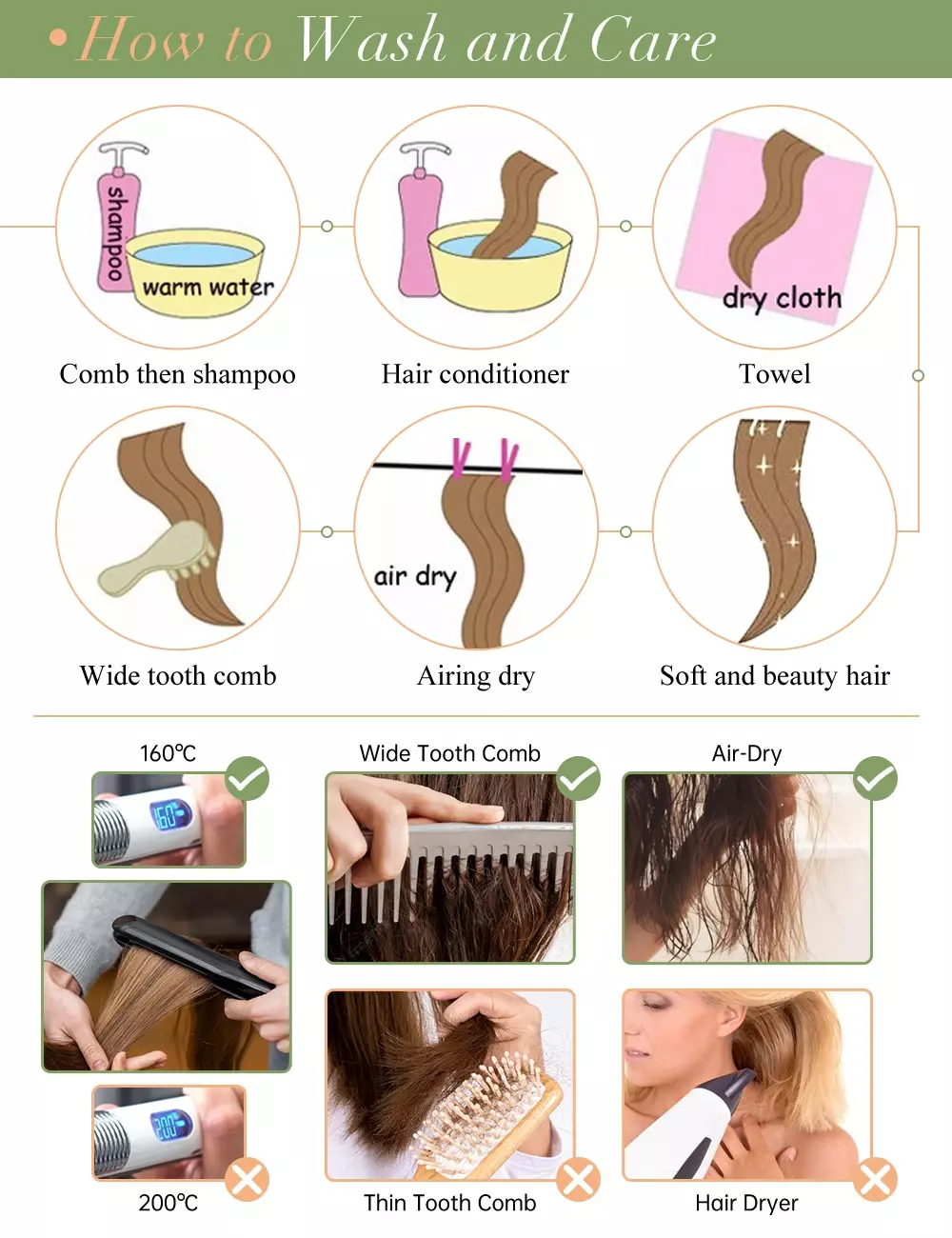
Identify the extension type. Clip-ins are removed and washed separately; tape-ins, keratin bonds, nano rings, and sewn-in wefts are washed while installed.
Divide the hair into sections. Hold near the attachment point and detangle from the ends upward with an extension brush or wide-tooth comb. Glam Seamless also recommends securing the attachment area with one hand while detangling to reduce tugging.
Never force a brush through a knot. Work through it gradually to avoid transferring unnecessary pressure to the extensions or your natural hair.
What Is the Correct Washing Method?
When learning how to wash hair extensions, keep the hair moving downward. Do not flip it over your head, pile it on the scalp, or rub the lengths together.
Wet the hair with lukewarm water. Apply a small amount of gentle, extension-compatible shampoo to the scalp. Massage with your fingertips, not your nails. Clean between rows or bonds without scrubbing the attachment points, then let the lather run through the lengths.
Lightly smooth shampoo over the ends only when needed. Do not twist the hair. Rinse thoroughly until no shampoo residue3 remains. Bellami also recommends lukewarm water and sulfate-free shampoo and conditioner for its extensions.
Installed extensions may need washing two or three times weekly, depending on oil and product buildup. Clip-ins usually need less cleaning. A rigid schedule is less useful than checking whether the scalp feels oily or the lengths feel coated.
How Should You Condition and Dry Them?
Apply lightweight conditioner from the mid-lengths to the ends. Keep it away from tape adhesive, keratin bonds, beads, and weft seams unless the care instructions permit it.
Leave the conditioner on for the recommended time, then rinse completely. Product residue can make 20-inch extensions appear heavy or dull.
Blot with a microfiber towel; never rub or twist. Dry installed roots and attachments first with low or medium heat. The lengths may air-dry, but the base should not remain damp.
Bellami recommends air-drying removable extensions and using hot tools only after the hair is dry.
How Do You Maintain 20-Inch Extensions Between Washes?

How Should You Brush and Sleep With Them?
Brush two or three times daily from the ends upward. Support the roots and check the nape for knots.
The nape is especially vulnerable because the hair repeatedly rubs against collars, scarves, bedding, and clothing. Separating the hair into sections makes hidden tangles easier to find.
Before bed, make sure the hair is dry. Create one loose braid or two low braids. Sleeping with wet extensions can encourage matting4 and make knots more difficult to remove.
Which Products and Styling Habits Work Well?
Use lightweight leave-in conditioner on the lower lengths. Keep oils and serums away from attachments.
Use heat protectant before blow-drying, curling, or straightening. Keep high heat away from bonds, tapes, beads, and weft seams, and select the lowest effective temperature.
Glam Seamless notes that frequent washing and heat styling can shorten extension lifespan.
For swimming, braid the hair and rinse it after contact with chlorine or salt water. Do not leave wet extensions tied tightly for long periods. Ask your stylist whether a protective leave-in product is suitable for your installation method.


What Mistakes Should You Avoid?
Avoid brushing downward from the roots, conditioning attachments, using hot water, towel-rubbing, and sleeping with damp hair.
Do not remove semi-permanent extensions without proper training. Great Lengths recommends leaving removal to professionals to reduce the risk of harming natural hair.
Contact your stylist for root matting, slippage5, exposed tracks, or persistent discomfort. Early maintenance is usually easier than correcting severe tangling or attachment problems later.
Frequently Asked Questions (FAQ)
Final Thoughts
Knowing how to wash hair extensions is one part of long-term care. Combine gentle washing with detangling, complete drying, nighttime protection, and professional checks.
Clip-ins, tape-ins, keratin bonds, beads, and sewn-in wefts do not have identical maintenance requirements. Use this guide as a practical framework while following the instructions for your specific system.
Once you understand how to wash hair extensions correctly, maintaining 20-inch lengths becomes more manageable. Gentle handling, suitable products, controlled heat, and consistent care can help the hair remain smooth, clean, and easier to style.
Note:
- The process of gently removing knots and tangles from hair. ↩︎
- Slightly warm; neither hot nor cold. ↩︎
- A small amount of a product that remains after washing or rinsing. ↩︎
- Severe tangling that causes hair strands to form dense knots or clumps. ↩︎
- The movement or loosening of hair extensions from their original attachment position. ↩︎
About the author
