
Feather Tip Hair Extensions: A Guide to Fit, Care, and Styling
Installation & Care Guide
Summary:
Feather Tip hair extensions use small, individual connections to add length and volume with flexible placement. This guide explains the design shown in Moresoo’s product imagery, what to discuss before installation, and how to manage everyday care. Connection size alone does not determine comfort: placement, added weight, and natural hair condition also matter. The American Academy of Dermatology advises, “Loosen up your hairstyle so it doesn’t pull.” That guidance applies broadly to extension wear. Professional fitting, gentle handling, and timely maintenance help support a more manageable experience without promising damage-free results.
- Feather Tip refers here to human hair extensions, not decorative feathers.
- Small connections allow targeted placement, but require enough natural hair for coverage.
- Installation and removal should be handled by a trained extension professional.
- Choose length and quantity according to hair condition and styling goals.
- Keep connections separated, clean, and thoroughly dry.
What Are Feather Tip Hair Extensions?
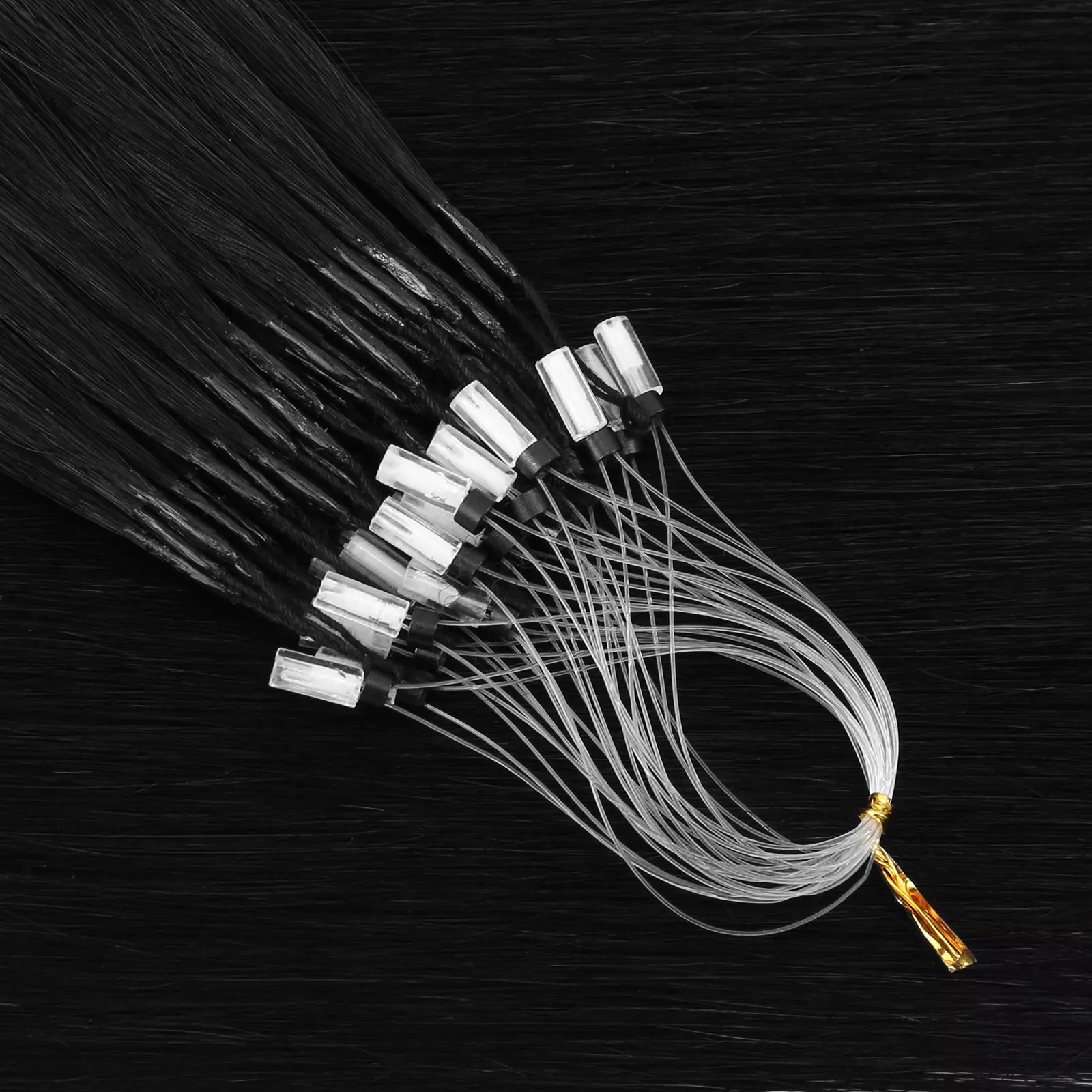
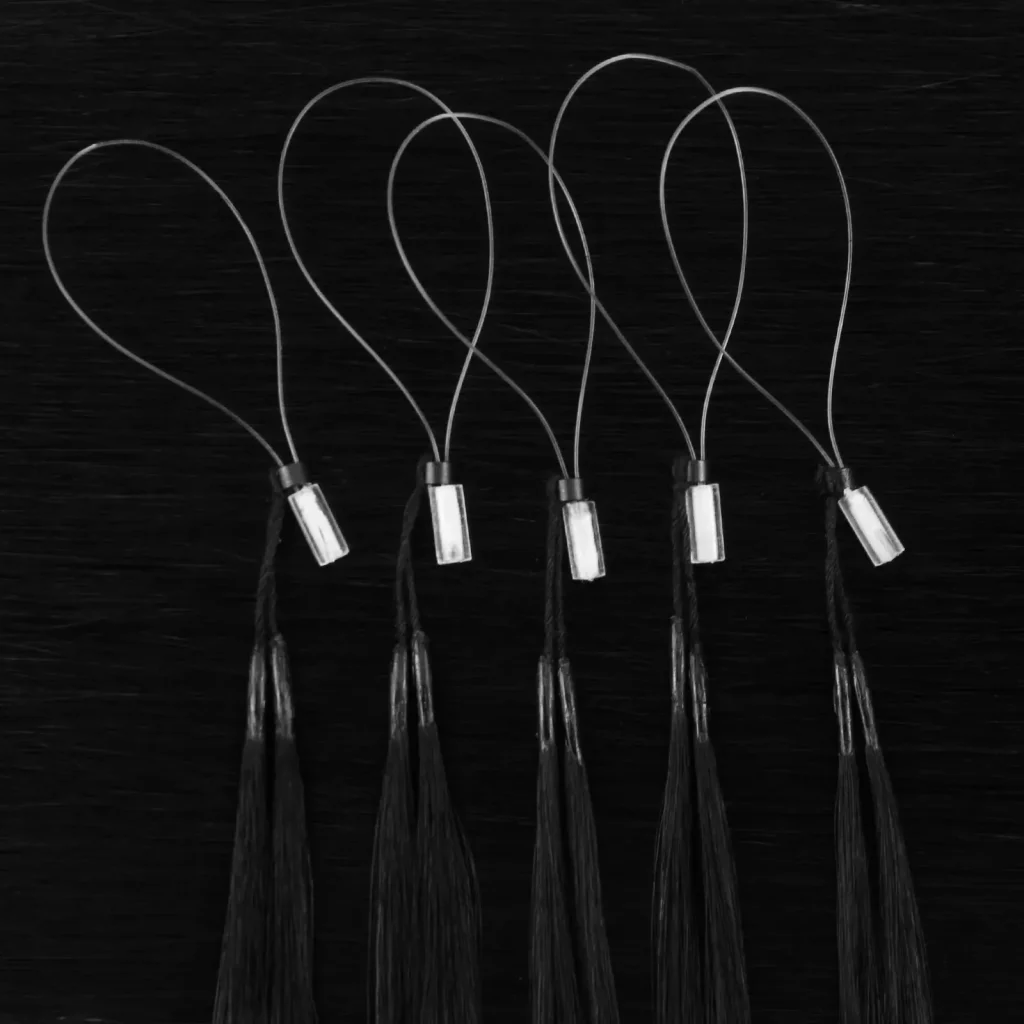
Feather Tip hair extensions are individual extensions designed to distribute added hair across small attachment points. The Moresoo design pictured uses paired hair sections connected by a fine loop, with small beads forming part of the attachment system. This differs from a continuous weft1, which joins hair along a wider strip.
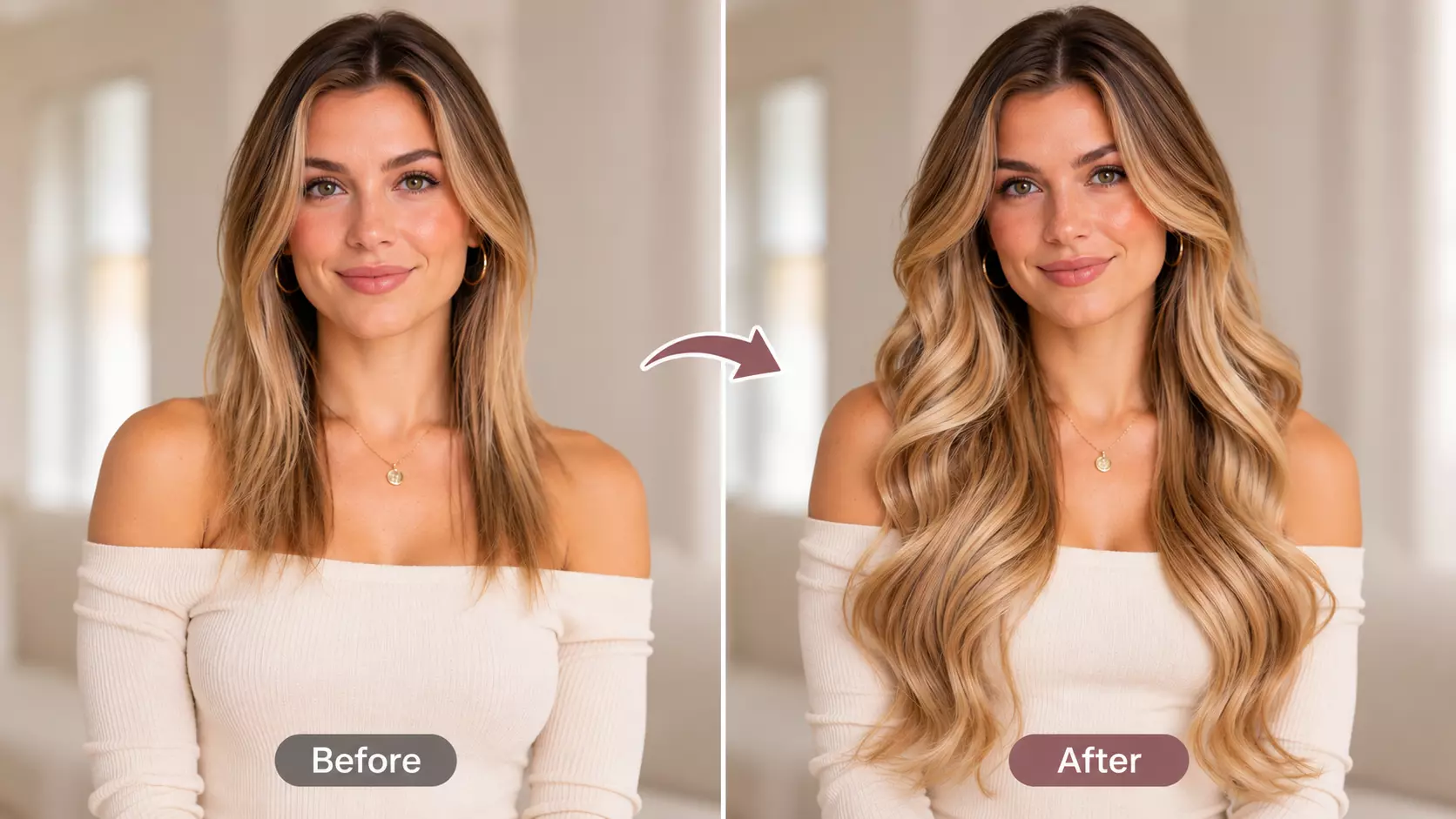
For someone seeking fuller ends or added length, individual placement allows a stylist to adjust where volume sits. However, a small attachment does not automatically mean the finished installation will be invisible. Hair density,2 bead color, parting position, and the amount of covering hair all affect visibility.
How do they compare with other extension methods?
Tape-in extensions use adhesive tabs, while clip-in extensions attach with clips for temporary wear. Feather Tip belongs to the individual, bead-based category shown here. I-tip and nano bead extensions also use small attachment points, but their tip construction and compatible hardware differ. These names should not be treated as interchangeable3 installation instructions.
Who Should Consider Them, and How Are They Installed?
Start with your natural hair rather than your preferred finished length. A stylist should assess strand strength, existing breakage, scalp condition, and whether your hair can cover the connections. Fine strands and low hair density are different concerns; neither should be assessed from photographs alone.
Explain how you normally wear your hair. A low ponytail for work, loose weekend styling, and occasional wedding guest hairstyles may require different placement around the sides and neckline. Bring examples showing both your desired result and your usual part.
The stylist sections clean, dry hair and fits the compatible bead-and-loop system according to the product instructions. Each connection needs an appropriate amount of supporting natural hair and sufficient freedom of movement. Beads should not be clamped against the scalp.
Before leaving, check comfort with your hair down and loosely tied back. Ask the stylist to demonstrate brushing around the connections and explain when to return. Pain, persistent pulling, or scalp irritation needs prompt attention; do not assume discomfort is a necessary adjustment period. Repeated tension can contribute to traction alopecia, a form of hair loss.
How Do You Care for Feather Tip Extensions?
What should your washing routine include?
Follow the product’s care instructions and adjust washing frequency to your scalp and activity level. Cleanse gently without piling or rubbing the lengths together. Rinse thoroughly, then apply conditioner mainly through the middle and ends, keeping heavy products away from the attachment area.
Blot excess water instead of twisting the hair. Dry the roots and connections thoroughly using controlled airflow and a comfortable temperature. Avoid going to bed with damp attachment points.
How should you brush, style, and sleep?
Support the hair above the area you are brushing, then detangle from the ends upward. Work in sections and avoid catching beads or loops with the brush. Gently separate neighboring connections with your fingers to identify tangles early.
For heat styling, follow the product’s temperature limit, use heat protectant, and keep hot tools away from attachments. Choose the lowest effective setting. Before bed, loosely braid dry lengths or secure them gently to reduce tangling.
Feather Tip FAQ
Conclusion
Feather Tip extensions work best when selection, installation, and maintenance are planned together. Discuss your everyday styling needs with your stylist, prioritize comfortable placement, and reassess the fit as your hair grows.
About the author
