
Tape Ins Care and Maintenance
How to Make Them Last
Summary:
“The lifespan of your extensions is directly tied to the integrity of the adhesive bond and the moisture levels of the hair shaft.” – American Association of Professional Hairstylists, 2024. Maintaining Tape Ins is not difficult, but it requires a strategic shift in your routine. To maximize longevity, avoid oils near the roots, always brush with a tension-free technique, and prioritize sulfate-free hydration from the mid-lengths down.
Lifespan: 6–8 weeks per install (professional re-tape required).
Enemies: Oils, silicones, and alcohol-based products.
Essentials: Sulfate-free shampoo, loop brush, silk pillowcase.
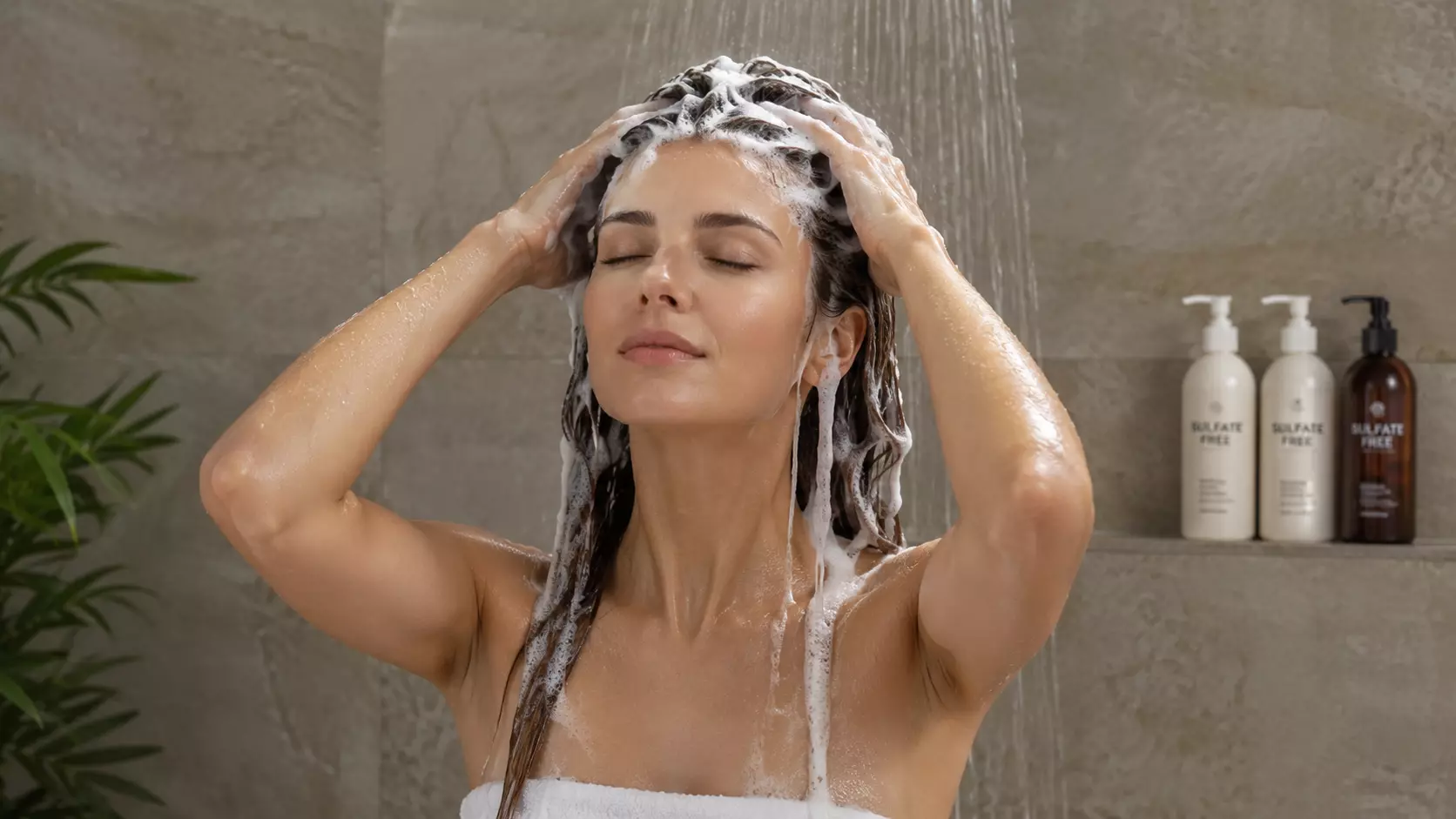
What is the Right Way to Wash Tape Ins?
Many users find washing the most intimidating part of Tape Ins maintenance. However, keeping the scalp clean is vital to prevent itching and matting. The key is friction management.
You should wait 48 hours after installation before getting the bonds wet. This allows the medical-grade adhesive to cure fully to your natural hair. When you do wash, limit it to 1-2 times per week. Washing daily will degrade the adhesive.
The Safe Washing Method:
How to Prevent Tangling and Slippage?
Tangling usually occurs because the hair cuticles have become dry or because of friction while sleeping. Tape Ins are 100% Remy human hair1, meaning they still have cuticles that need to be sealed.
To prevent the bonds from slipping, you must avoid heavy oils (like coconut or castor oil) on your scalp. These oils seep under the tape tab and dissolve the glue. Instead, use a lightweight bonding spray or dry shampoo for the roots.

The Nighttime Routine
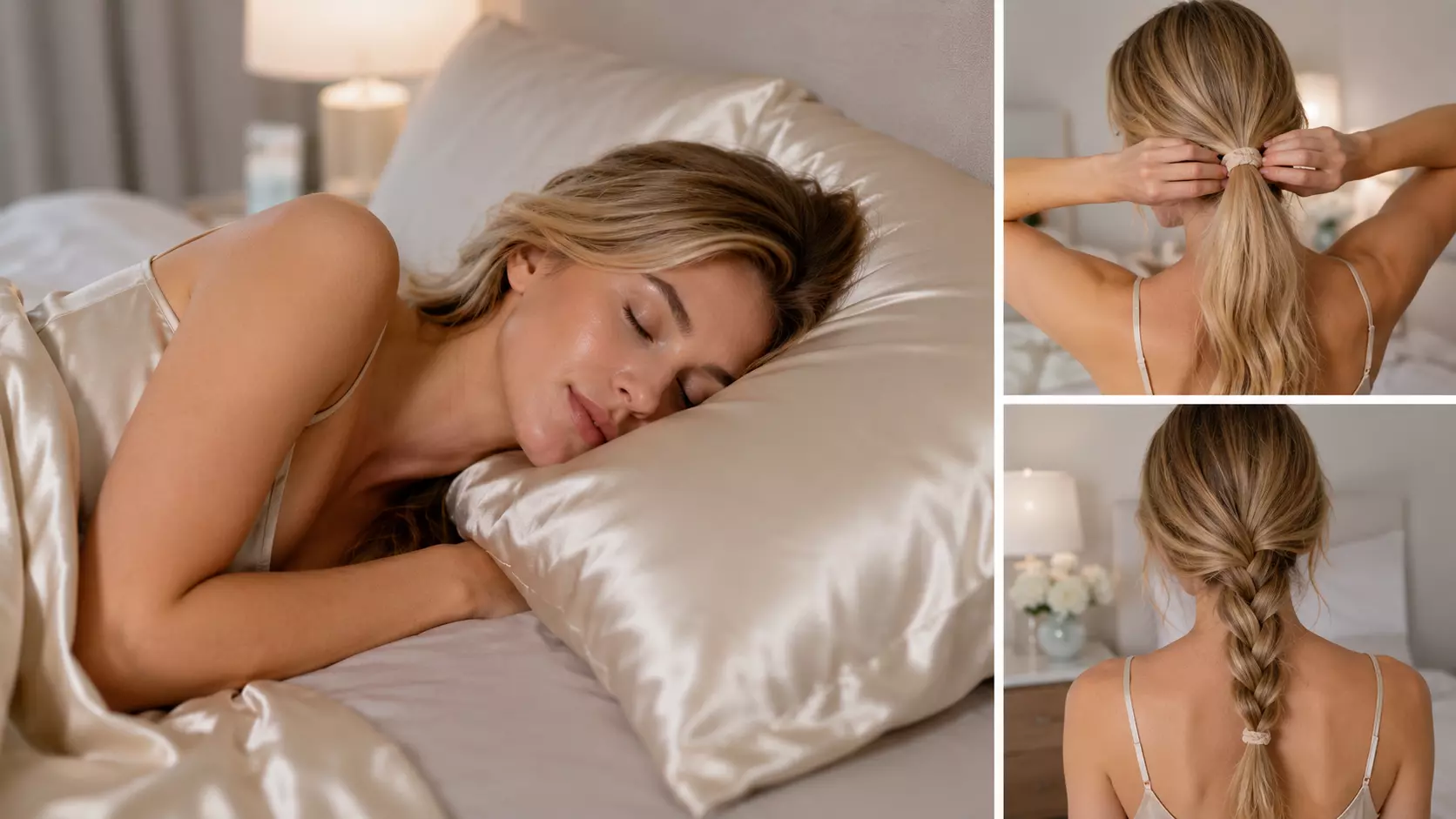
Sleeping is when most damage occurs. Loose hair rubbing against a cotton pillowcase creates friction, leading to matting at the nape of the neck. Always secure your hair in a low, loose braid or ponytail before bed. Furthermore, invest in a silk or satin pillowcase. This reduces drag, keeping the cuticle smooth and preventing the Tape Ins from drying out.
Can I Use Heat and Styling Products?
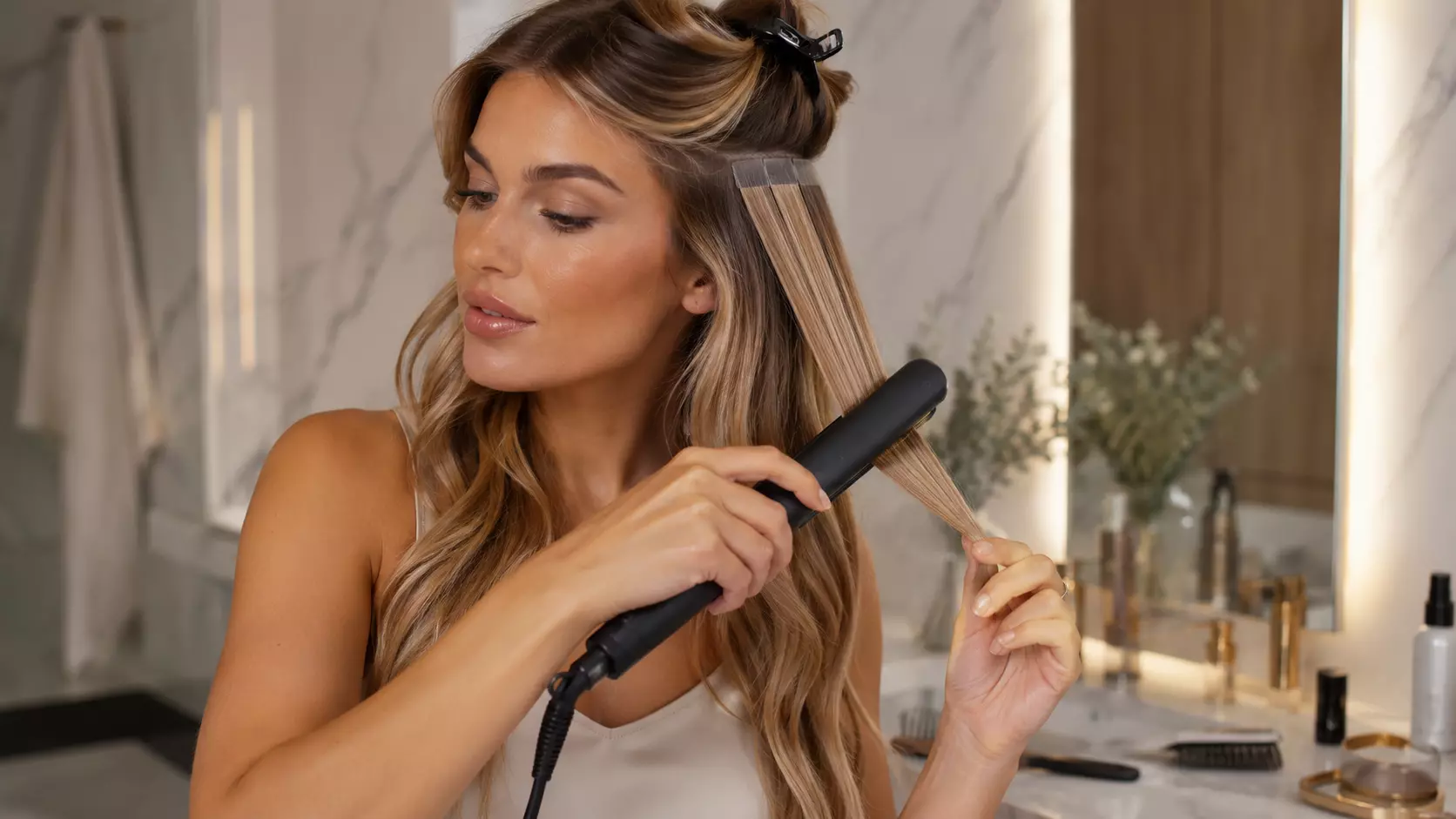
Yes, you can absolutely style Tape Ins, but you must respect the heat threshold. Human hair extensions lack the natural oils that real hair grows from the scalp, making them prone to dryness.
When using hot tools, always apply a heat protectant spray2. However, avoid spraying it near the tape bonds. You should also keep flat irons and curling wands away from the actual metal or plastic tab of the Tape In. High heat can melt the adhesive. Keep your tools set to a medium temperature (approximately 300°F to 350°F) to prevent the hair shafts from becoming brittle
When Tape Ins Need Maintenance?
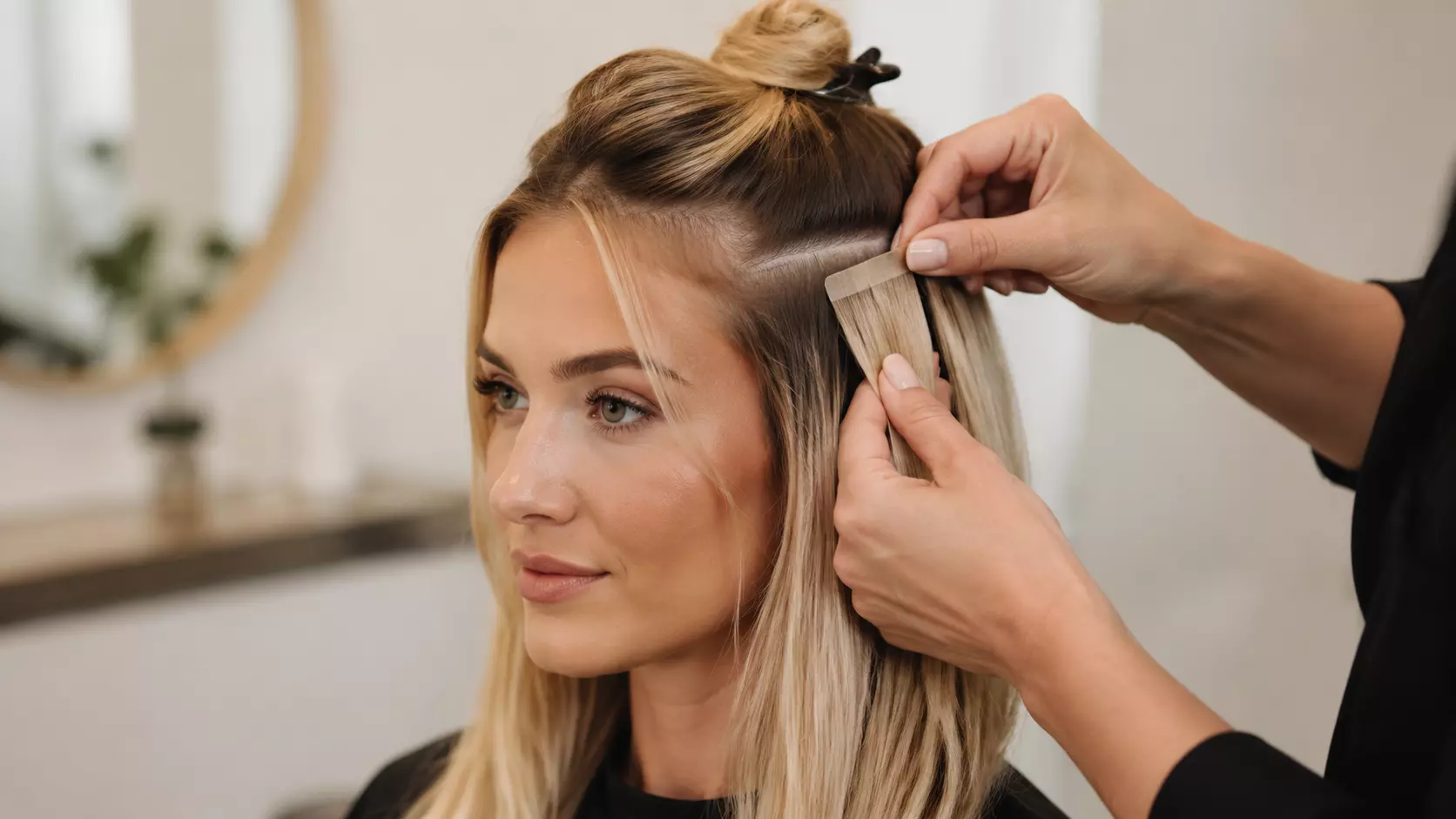
Even with perfect care, your natural hair grows. As it grows, the tape bond moves further away from your scalp. This shift changes the center of gravity, causing the Tape Ins to pull and potentially damage your real hair.
You need a professional “move-up” every 6 to 8 weeks. Signs that you are overdue include:
- Visible Bulging: The tape is no longer lying flat against your head.
- Excessive Shedding: More than a few strands falling out when you brush.
- Difficulty Styling: Your natural roots are too long, making the extensions sit too low
Frequently Asked Questions (FAQ)
Conclusion
Caring for Tape Ins does not require a complicated routine, but it does demand consistency. The difference between extensions that last four weeks versus eight weeks comes down to daily habits: how you brush, what products you apply near the roots, and how you protect the hair while sleeping. By washing vertically, avoiding heavy oils, using heat protectants, and scheduling timely move-ups, you can enjoy full, natural-looking volume without damaging your real hair. Remember that Tape Ins are an investment in your appearance. Treat them with the same gentle attention you give your natural locks, and they will reward you with weeks of beautiful, tangle-free style.
About the author
