
Hair Extensions You Can Dye: A Complete Guide to Coloring Safely
Safely coloring your extensions while keeping them soft, shiny, and long-lasting.
Some human-hair extensions can be dyed, but dyeing usually shortens their usable life and increases damage risk.
Prefer virgin human hair for coloring. Avoid dyeing synthetic extensions.
Always perform a strand test, use gentler dye formulas, deep-condition before and after, and avoid heat for 48 hours post-coloring.
Consider safer alternatives (pre-colored extensions, semi-permanent color conditioners, clip-in highlights) before dyeing.

Everything You Need to Know About dyeable hair extensions
One of the most common questions we hear is: “Can I dye the dyeable hair extensions, or will it ruin them?” Whether you want to refresh your color or try a bold new shade, coloring extensions requires special care.
dyeable hair extensions offer incredible versatility, allowing you to change your look without committing to permanent changes to your natural hair. However, unlike your natural locks, these extensions require specific handling to maintain their quality and longevity.
In this comprehensive guide, we’ll cover everything you need to know about safely dyeing dyeable hair extensions while keeping them soft, shiny, and long-lasting. From preparation to application and aftercare, we’ve got you covered.
Can You Dye Hair Extensions? Key Rules
Yes, you can dye human-hair extensions (when referring to hair that can be dyed), but there are critical differences between coloring extensions and natural hair. Since extensions lack natural oils from your scalp, they react differently to chemicals.

Pre-Treated Hair
Many of commercially available hair extensions have undergone prior chemical treatment. Subsequent dyeing introduces risks
- 1–2 safe colorings before replacement is advised..
- Damaged Integrity: Causes severe dryness and breakage.
- Unpredictable Color: Often leads to uneven absorption.

No Natural Oils
Unlike natural hair, hair extensions you can dye can’t self-moisturize. This means:
- Requires extra conditioning to prevent frizz
- Bleach causes irreversible cuticle and shaft damage to extensions; replacement is usually required.
- Dye may absorb unevenly
Pre-treated hair lacks natural oils, making it highly vulnerable to chemical processing.
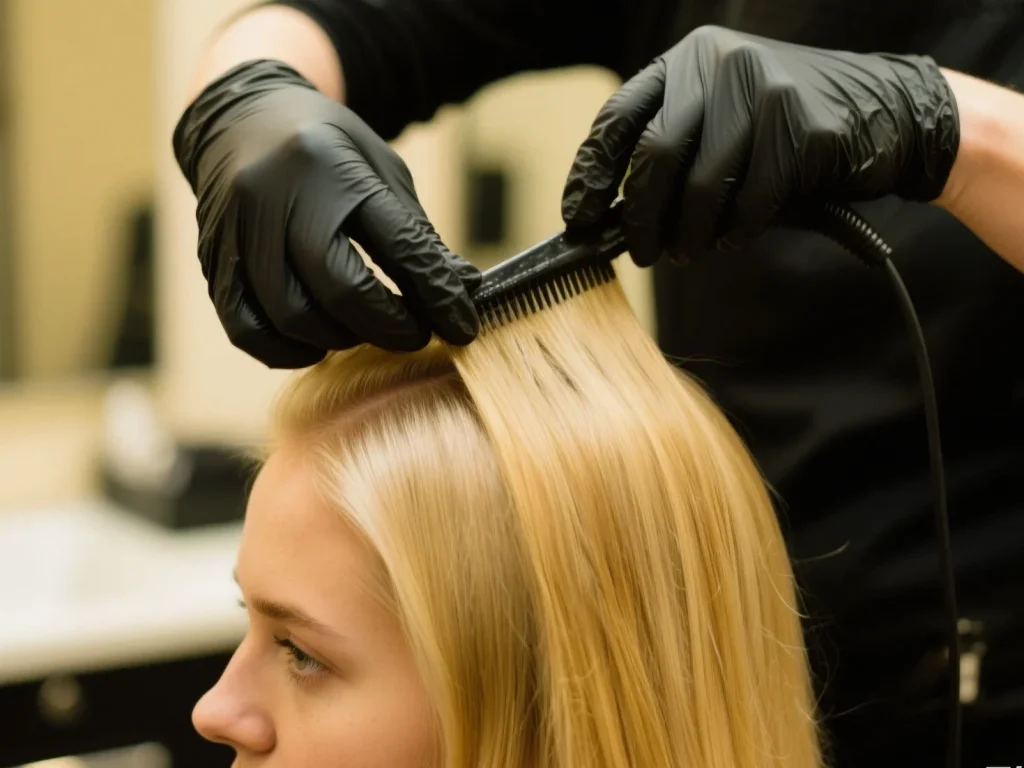
Best Alternatives
To avoid damage to your hair , try these safer options:
- Pre-colored extensions in your ideal shade
- Semi-permanent color conditioners
- Clip-in highlights for temporary dimension
These alternatives let you change your look without compromising your human-hair extensions (when referring to hair that can be dyed)
How to Dye Hair Extensions?
If you decide to proceed with coloring your extensions, follow these steps for minimal damage:
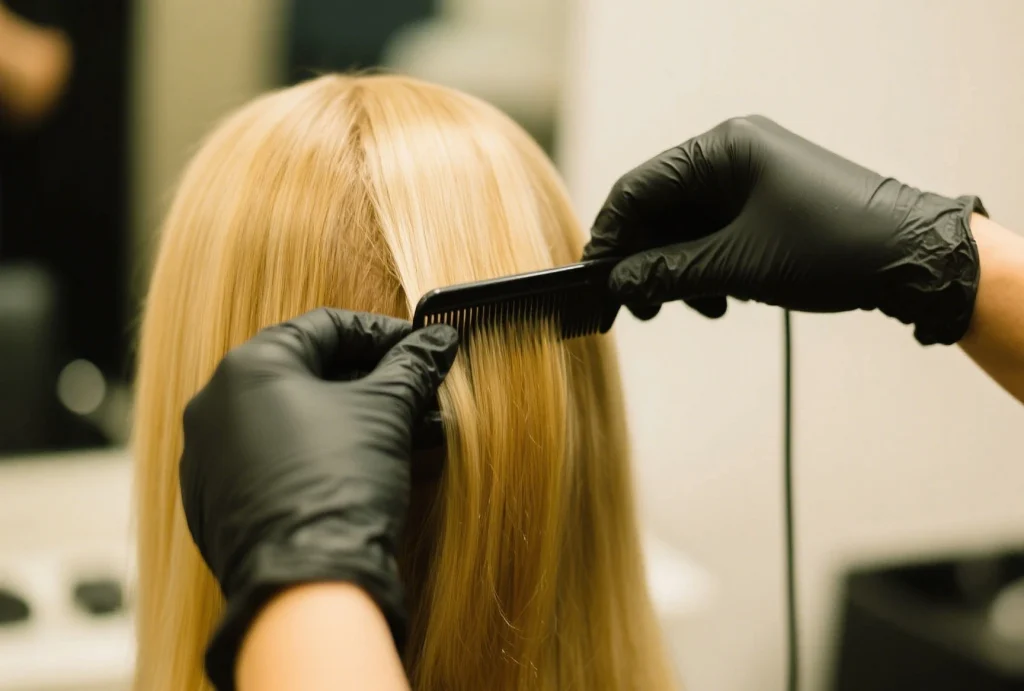
Strand Test First
Apply dye to a small section and check both color absorption and texture changes.
If you notice roughness or unusual texture changes, stop immediately.
Use Ammonia-Free Dye
Opt for demi-permanent or semi-permanent formulas and avoid box dyes with 40-volume developers1.
Gentler formulas are recommended for pre-treated extensions (when referring to processed hair) to prevent excessive damage.
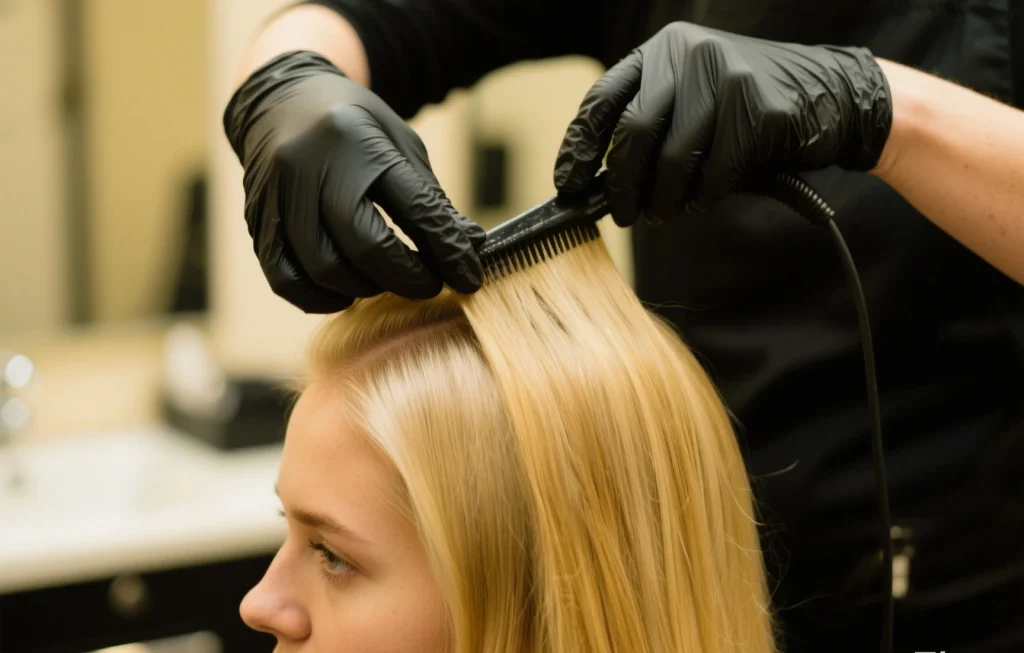
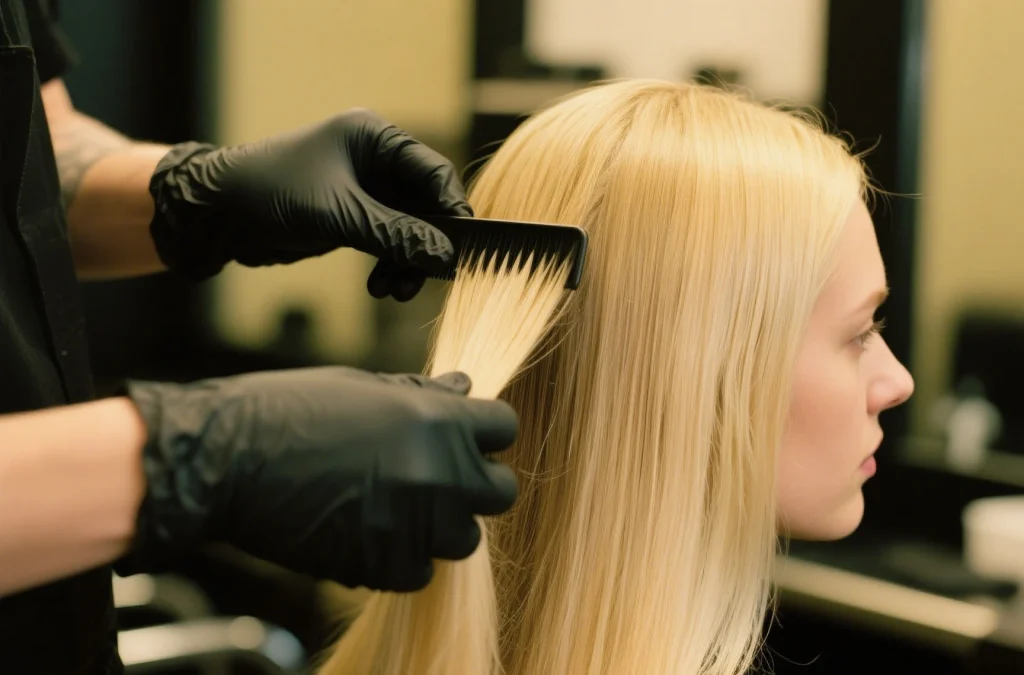
Deep Condition Before & After
Use a protein mask 24 hours before dyeing and follow with weekly moisturizing treatments after.
Extra hydration is vital for pre-treated extensions (when referring to processed hair) since they lack natural oils.
Avoid Heat for 48 Hours
Let cuticles recover before using hot tools. Consider air-drying instead of blow drying.
Protecting your pre-treated extensions (when referring to processed hair) after coloring helps lock in color and moisture.
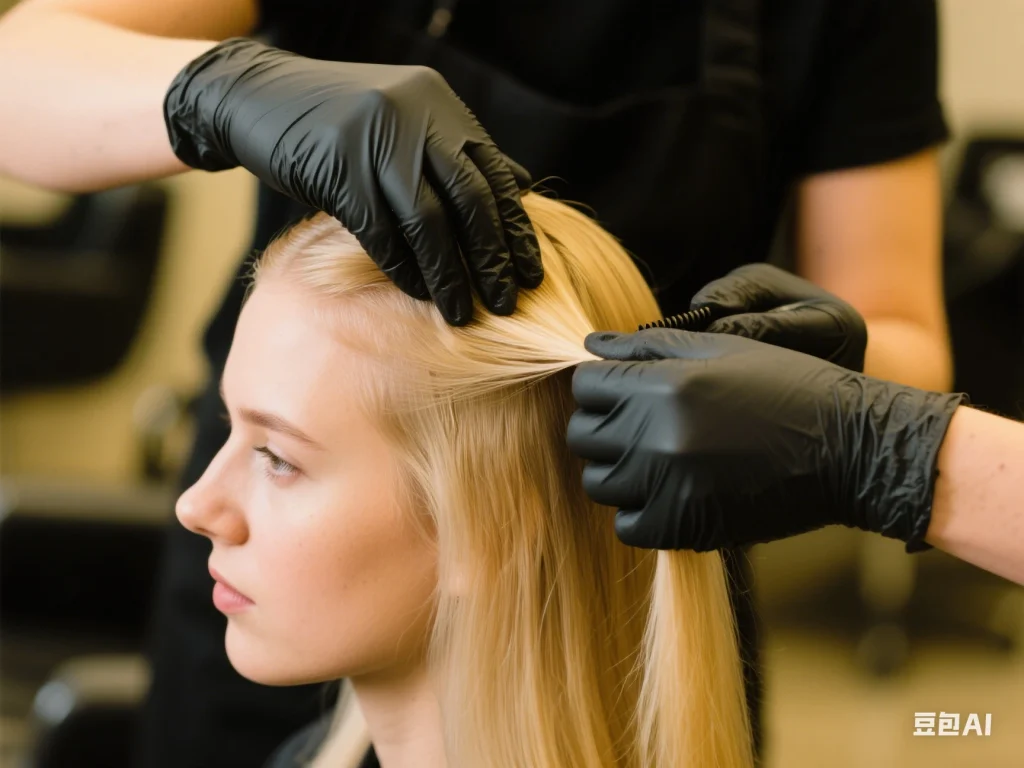
Dyeing typically reduces extension lifespan; expect 2-3 months fewer uses.
FAQ: Dyeing Hair Extensions You Can Dye
Find answers to the most common questions about coloring virgin hair extensions (for untreated hair).

Yes — some human-hair extensions can be dyed, but dyeing shortens lifespan and increases damage risk.
Prefer virgin human hair for safest results; avoid dyeing synthetic extensions.
Always perform a strand test and use ammonia-free / demi / semi-permanent dyes where possible.
Deep condition before and after, avoid heat for 48 hours, and consider pre-colored or temporary alternatives instead of permanent dye.
CONCLUSION
Final Verdict: Should You Dye Hair Extensions?
While you can dye hair extensions you can dye, it’s best to approach the process with caution and consider alternatives first.
Match Extensions to Your Color
Choose pre-treated extensions (when referring to processed hair) in a shade that already matches your desired color upfront to avoid the need for dyeing.
Use Temporary Methods
Opt for temporary color options when changing your look with pre-treated extensions (when referring to processed hair) to prevent damage.
Consult a Stylist
For major color changes with pre-treated extensions (when referring to processed hair), always consult a professional stylist experienced with extensions.
By following these guidelines, you can enjoy beautiful, vibrant color with your human-hair extensions (when referring to hair that can be dyed) while maintaining their quality and extending their lifespan.
- a powerful hair product containing 12% hydrogen peroxide, used for maximum hair lightening, achieving dramatic color changes, and lifting hair up to four levels, typically with high-lift colors ↩︎
- color level system reference ↩︎