
Best Weft Hair Extensions
Can You Really Swim With Them?
Exploring the best weft hair extensions for active lifestyles. We answer the burning question: can you swim with them, and how do you protect your investment from chlorine and saltwater?
Summary:
Industry experts agree that while enjoying water activities with extensions requires diligence, it is possible with the right preparation. According to professional stylists, “Chlorine1 and saltwater strip moisture, causing dryness and frizz,” and extensions require extra attention after every swim to prevent bonds from weakening or loosening . Ultimately, the highest quality weft extensions are an investment that demands protection from harsh elements to maintain their beauty and longevity .
Key Takeaways:
Swimming is Discouraged but Possible: While it is generally not advisable to swim with weft extensions due to risks from chlorine, saltwater, and physical stress, you can do so with meticulous care
Pre-Swim Preparation is Crucial: Always saturate hair with fresh water and apply a leave-in conditioner before entering the pool or ocean to create a protective barrier against chlorine and salt.
Physical Protection Matters: Securing hair in a tight braid or low bun and using a silicone swim cap are essential steps to minimize tangling and reduce water exposure
Immediate Aftercare is Non-Negotiable: Rinse extensions instantly after swimming, then gently cleanse with sulfate-free products and deep condition to restore moisture.

Summer is here, and the allure of sparkling pools, ocean waves, and relaxing vacations is undeniable. If you’ve invested in a luxurious set of what are widely considered the Best Weft Hair Extensions, you’re probably wondering how to maintain your flawless look while enjoying an active, sun-soaked lifestyle. The volume, length, and seamless blend they provide feel incredible every day. But this leads to the crucial, burning question: Can you actually swim with them without causing damage?
Let’s dive in and explore everything you need to know about protecting your premium extensions from chlorine, saltwater, and summer fun.
The Expert Verdict
The straightforward and professional recommendation is: No, it is not advisable to wear any hair extensions, even the highest quality human hair wefts, while swimming.
While the Best Weft Hair Extensions are crafted for durability and a natural look, they are not designed to withstand the harsh conditions of swimming environments. Protecting your investment is key to ensuring they remain beautiful and long-lasting.
What Are the Enemies of Your Hair Extensions?
Whether you’re in a chlorinated pool, the salty sea, or a mineral-rich hot spring, these environments are incredibly harsh on both natural and extension hair.
Chlorine
Powerful bleaching agent that strips natural oils
Causes severe dryness and discoloration (often greenish blonde)
Leads to brittleness and straw-like texture
Creates nearly impossible tangles and matting
Saltwater
Hygroscopic properties draw moisture from hair
Leaves extensions excessively parched and frizzy
Increases breakage and shedding
Gritty texture causes friction and tangling
Hot Spring Minerals
High sulfur content leaves deposits on hair shafts
Causes noticeable discoloration and fading of extensions
Creates stubborn filmy, dull buildup over time
Alters natural texture and overall hair color
What Are the Physical Dangers?
It’s not just about the water chemistry. The physical act of swimming presents its own risks to your extensions.
Water Pressure
The force from diving, jumping, or even vigorous swimming can place unexpected stress on the attachment points of your extensions.
Bond Damage
This pressure can loosen the bonds, causing the wefts to slip or, in a worst-case scenario, detach entirely from your natural hair.
Tangling Risk
The swirling and chaotic movement of water are a remarkably fast track to creating a giant, tangled knot that inevitably starts deep down at the roots.
This can be a nightmare to address and may even require professional help to fix.
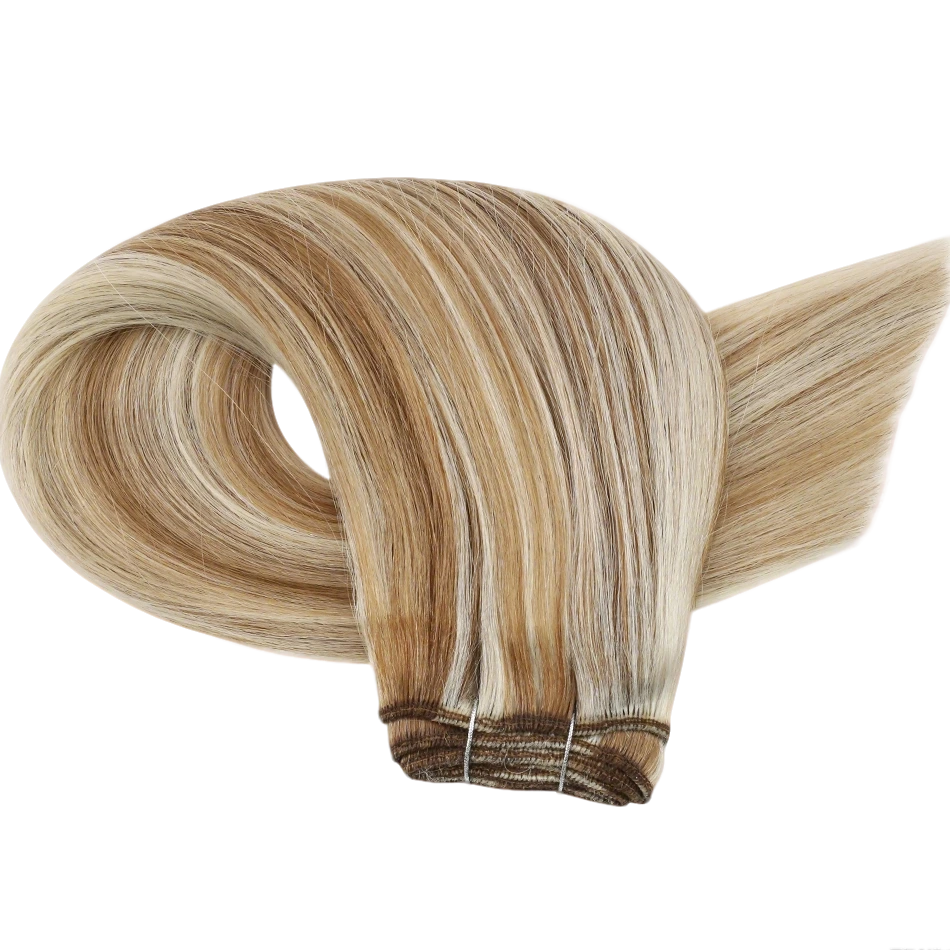
What Makes the “Weft Hair Extensions” the Best?
This might seem counterintuitive, but the qualities that make the best weft extensions:
- 100% untreated human hair with intact, aligned cuticles2
- Behaves like natural hair (accepts color, holds style)
- Natural movement and seamless blending
However, their quality means they are porous and need natural oils. Harsh elements directly attack this integrity. Lower-quality synthetic extensions are even more prone to irreversible damage.
But What If You Absolutely Have to Swim?
We strongly advise against it, but if you must swim with extensions, follow these critical protection steps to minimize damage.
Before Swimming
After Swimming
Alternative Suggestion
For your next beach day, consider a chic swim cap or a gorgeous braided hairstyle that incorporates only your natural hair. This ensures your luxurious extensions stay beautiful and long-lasting for all your dry-land adventures.
Frequently Asked Questions (FAQ)
FINAL RECOMMENDATION

Note:
- A chemical used to disinfect swimming pools. In the context of hair extensions, it is described as a “powerful bleaching agent” that strips natural oils from the hair. It causes severe dryness, discoloration (like a greenish tint on blonde hair), brittleness, and can lead to nearly impossible tangles and matting in extensions. ↩︎
- The outermost layer of a hair strand, composed of overlapping scales that protect the inner cortex. The article specifies that the “best” weft extensions are made from “100% untreated human hair with intact, aligned cuticles.” This is crucial because aligned cuticles allow the hair to behave naturally, hold a style, and resist tangling, whereas damaged or misaligned cuticles lead to dryness and frizz. ↩︎
- A gentle cleansing product that does not contain sulfates (detergents that create a rich lather). The article recommends using a “deeply nourishing, sulfate-free shampoo and conditioner” as part of the immediate aftercare following swimming. This is because sulfates can further strip moisture from already-damaged extensions, while sulfate-free formulas clean without being overly harsh. ↩︎
Related Resouces:
About the author
